5 Plumbing Basics Every First-Time Homeowner in Taranaki Should Know
You’ve bought your first home in New Plymouth or anywhere in Taranaki. Exciting!
But here’s the truth: things in houses leak, block, and break.
We’re no strangers to a mortgage, the housing market is not pretty right now and chances are you don’t want to spend thousands of dollars fixing things that could have been avoided, so bookmark this blog and take note of the 5 simple things you should know to save yourself in the event anything goes haywire.
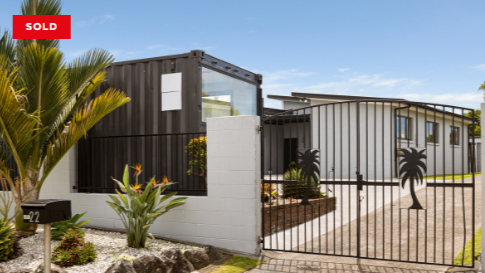
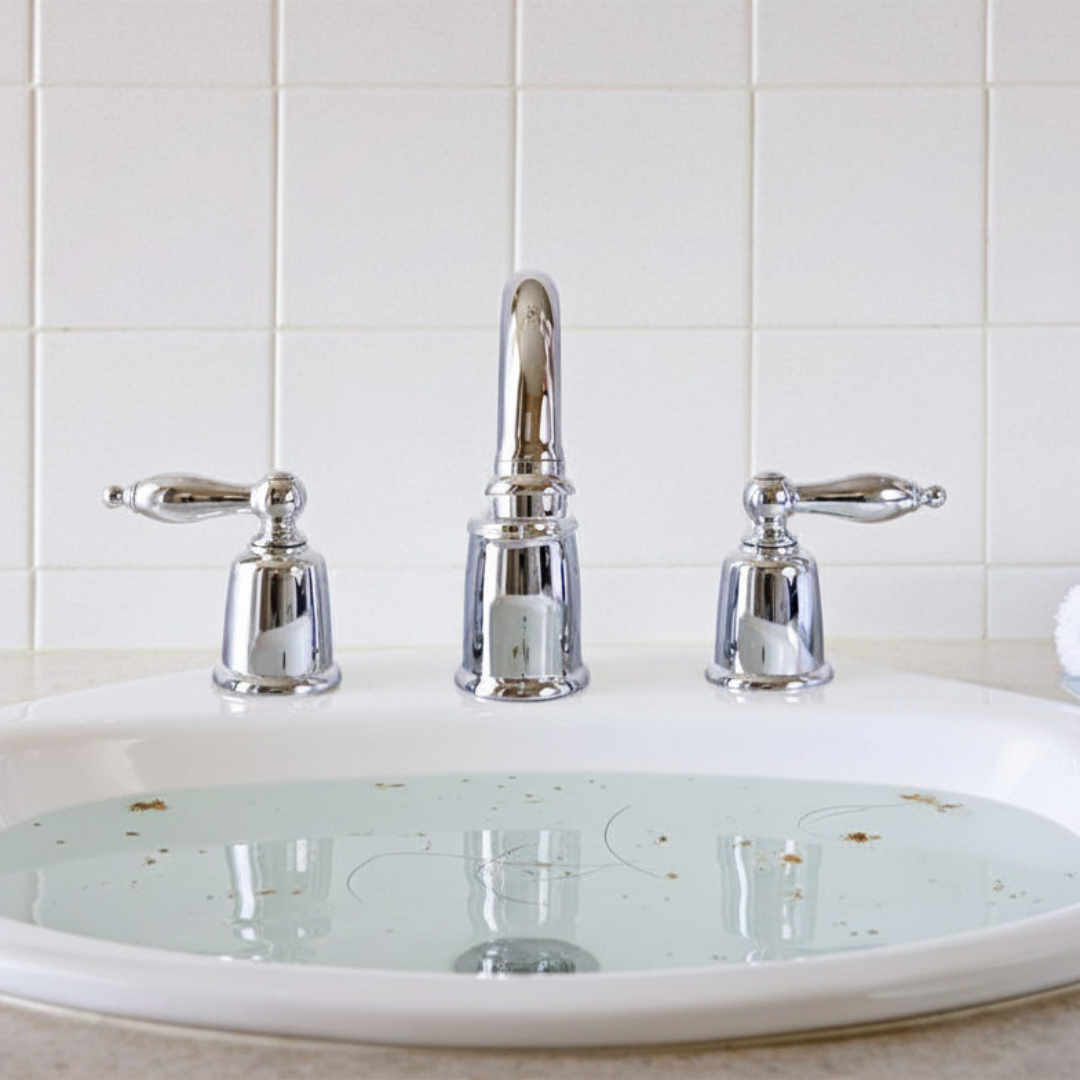
Image from https://www.suchyandco.nz/
01. How to Turn Off the Water (Your Home’s “OFF Switch”)
If a pipe bursts, or a persistent leak is doing it’s thing, you’ll find yourself in the midst of a full scale water invasion until you stop it. To stop it, you need to know where your main shut-off valve is.
Here’s how to find it:
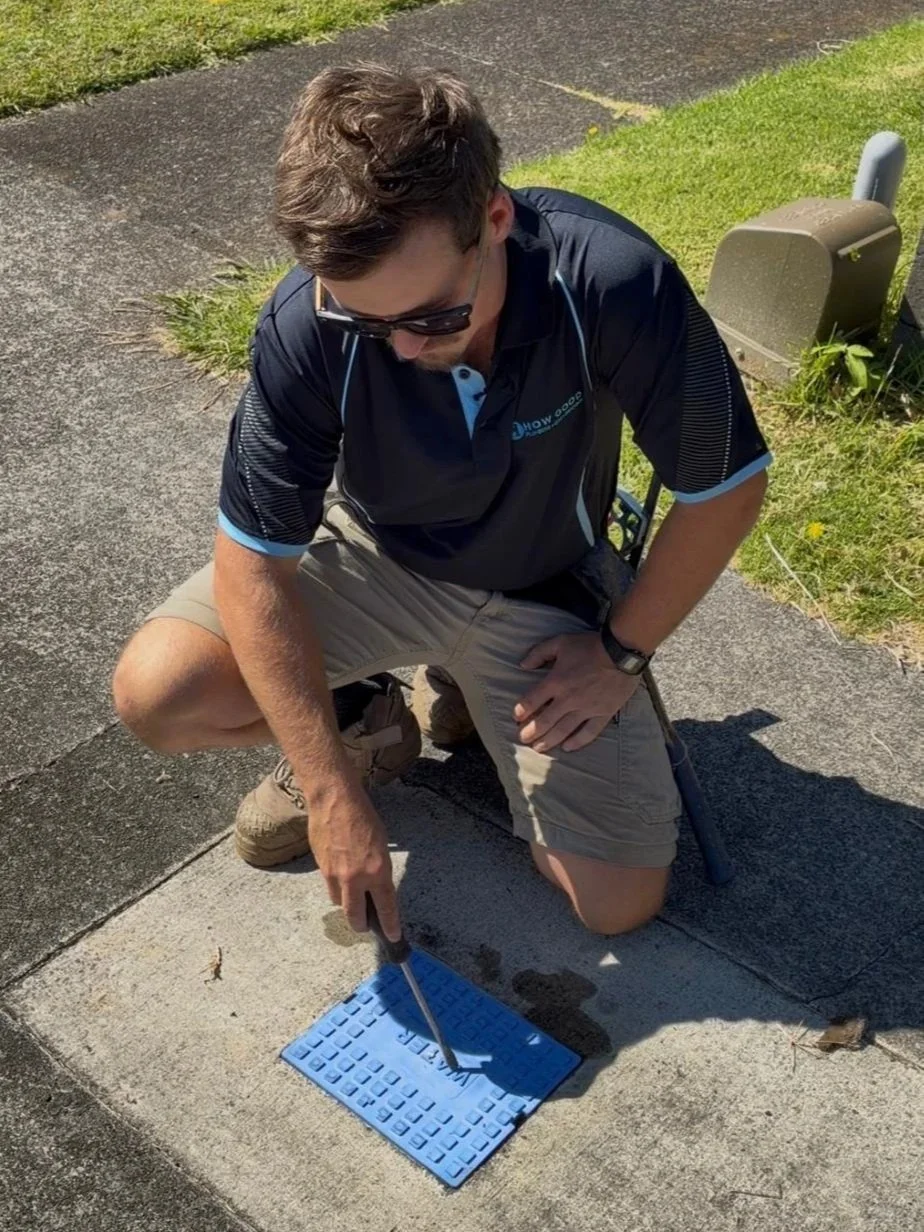
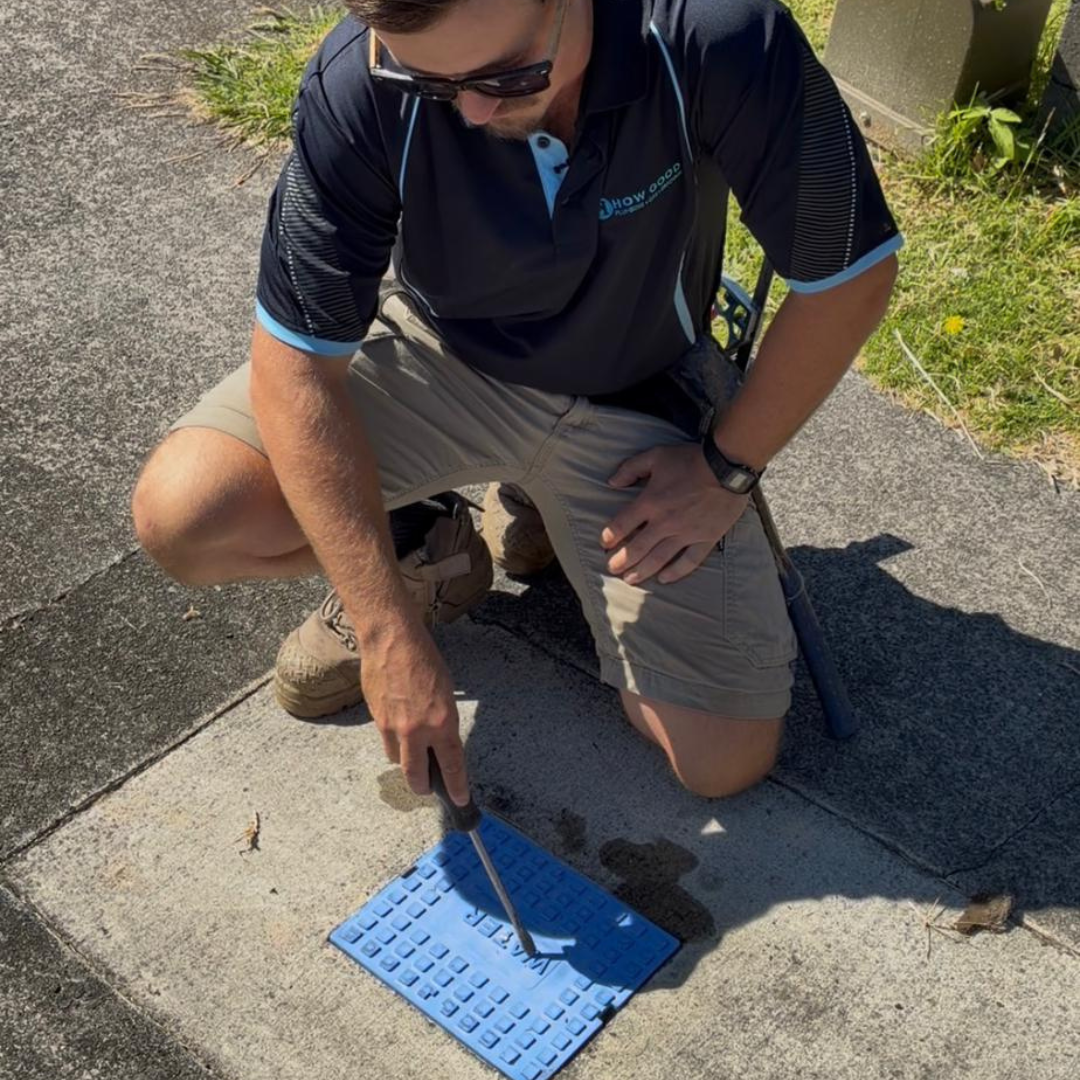
Go outside to the front of your property near the street. It’ll most likely be a blue, square lid. For older houses it may be a metal circular lid about 100mm in diameter — (if they’re doing you a solid) it may even say “water”.
Lift the lid. You should see a tap/lever/valve. That’s your shut-off.
Turn it clockwise (the old righty tighty) until it stops. That shuts off all water to your house.
Turn on an outside hose tap, to make sure you have turned off the correct house and to drain the water out of the pipes.
Practice now — not in an emergency.
Once you’ve found it, show everyone in the house.
💡 Hot tip: if you can’t find it contact your local council and they are obliged to find it for you
02. Know What Your Set-Up Is (So You Can Explain It)
One of the best things you can do as a new homeowner is to learn what your home actually runs on. Is your hot water heated by a cylinder, gas, or instant system? Do you cook on gas or electric? The more you know, the easier it is to explain problems to us — which means faster fixes and less money spent.
How to figure it out:
Hot water:
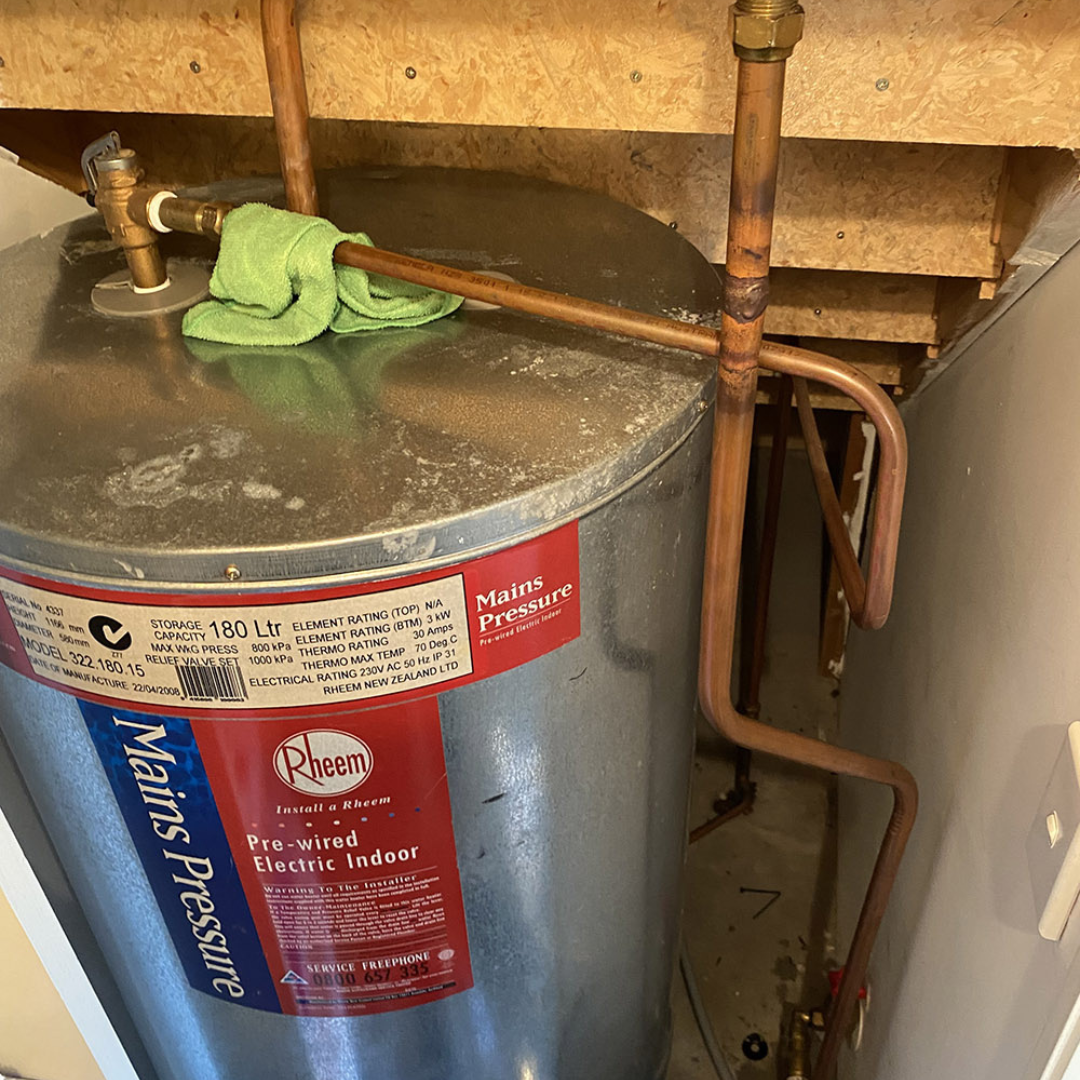
A tall round tank with pipes = a hot water cylinder (electric or gas).
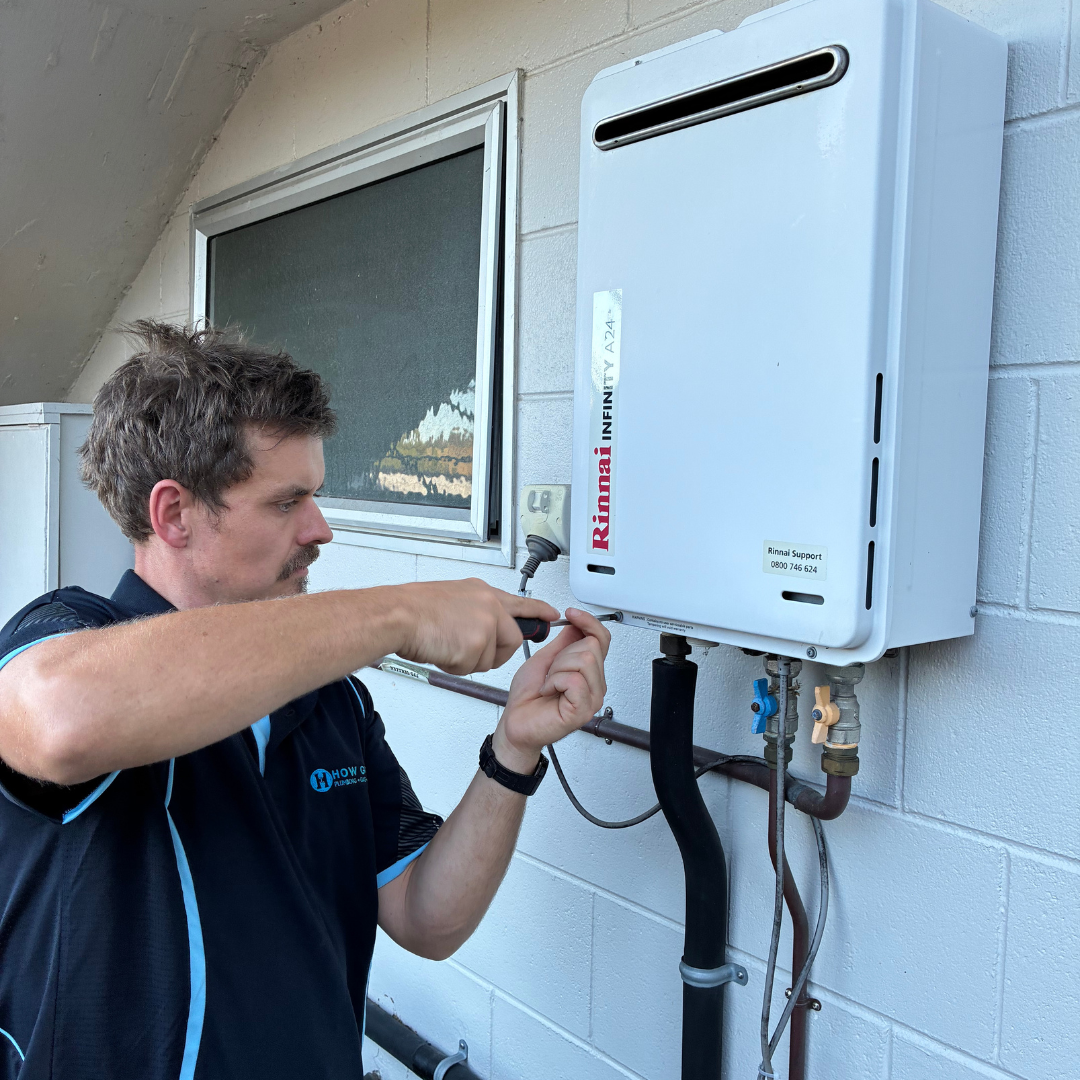
A small box on the wall with “Rinnai” or “Infinity” = a gas instant hot water system.
Cooking & heating:
Blue flame = gas hob or gas heater.
Coils, flat glass top, or heat pump = electric.
Gas supply: If you’ve got gas, check if it’s from bottles (LPG cylinders outside) or piped mains gas.
Common terms tradies use:
Cylinder = hot water tank
Infinity = instant gas hot water
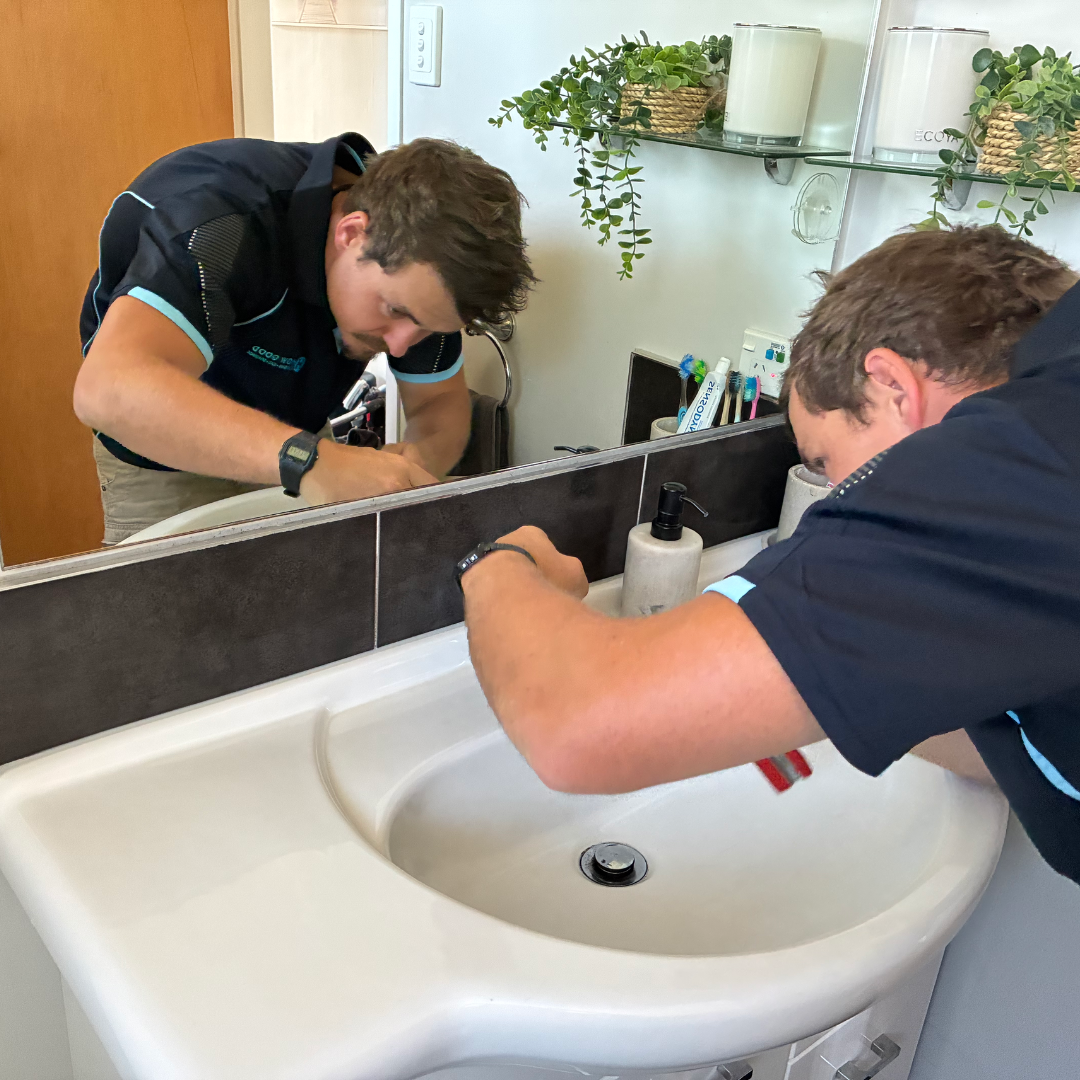
Trap = the U-shaped pipe under your sink
Mixer = single-handle tap (hot + cold together)
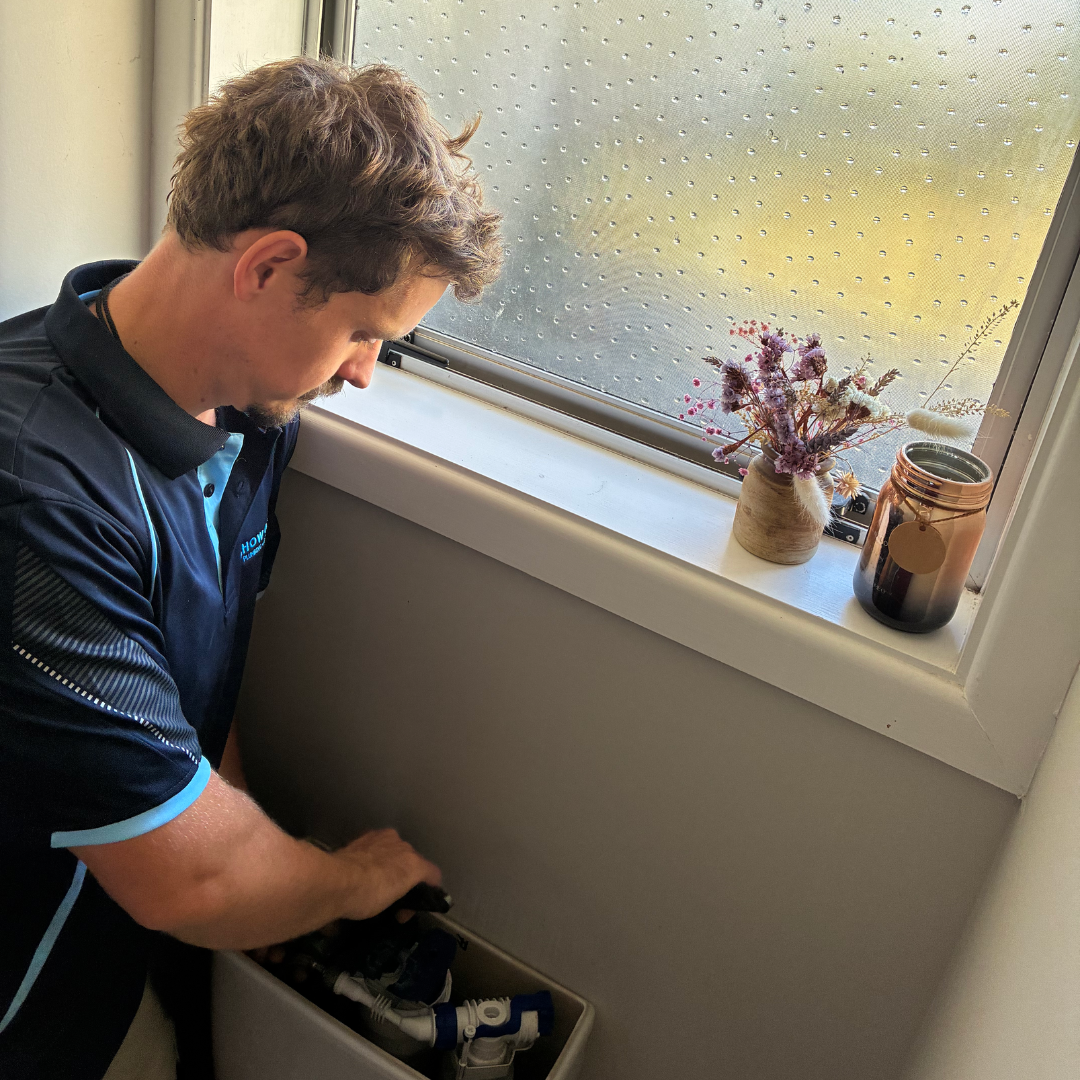
Cistern = the tank of water above your toilet
Water Toby = water mains shut off tap/valve
Mains pressure = hot water pressure is the same as cold water pressure
Low pressure = when hot water is less pressure than cold
👉 Why this matters: The better the info you can give us when you call, the quicker we can help. Knowing your set-up saves time, money, and frustration.
03. Don’t Ignore Slow Drains (They Get Worse)
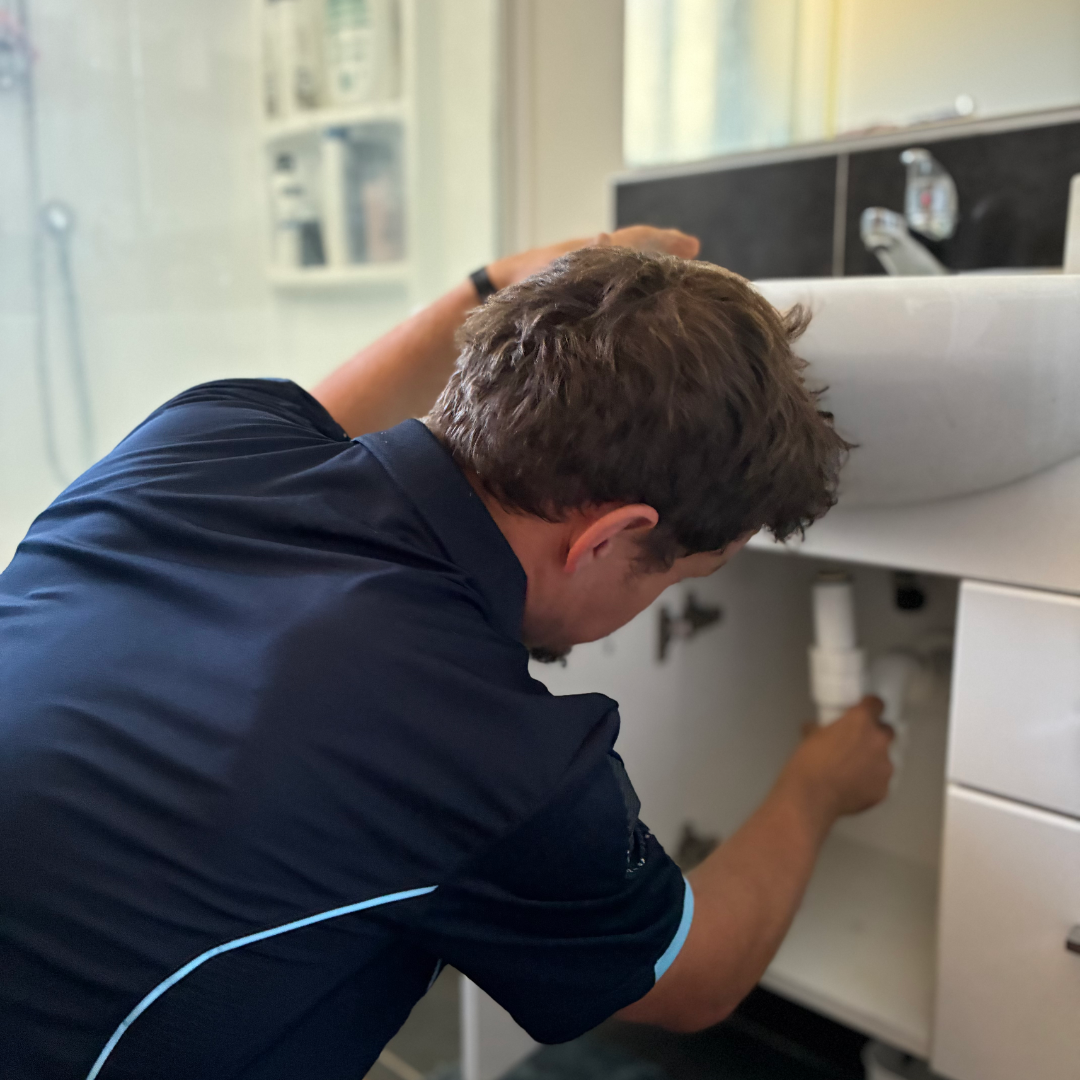
If your sink or shower drains slowly, don’t shrug it off. It means something is blocking the pipe. That blockage could be hair, food scraps, soap scum, or grease building up inside the pipe walls.
Left alone, the build-up keeps getting worse. First it’s a slow drain, then it’s a gurgle, and before you know it you’ve got a complete blockage — maybe even water backing up into your sink, shower, or laundry floor. That’s when things get messy (and smelly).
IMPORTANT: Don’t reach for strong chemicals — they often just push the problem further down the line, make it harder to fix and can damage your pipes. call a plumber.
Hey, We’re How Good Plumbing & Gas.
Based in New Plymouth, we handle plumbing, gasfitting, and drainlaying right across Taranaki. Chuck our number in your phone now so that you have a plumber on standby - if the worst should happen!


How Good Plumbing & Gas
New Plymouth & Taranaki
Downloads a contact file — works on iPhone & Android
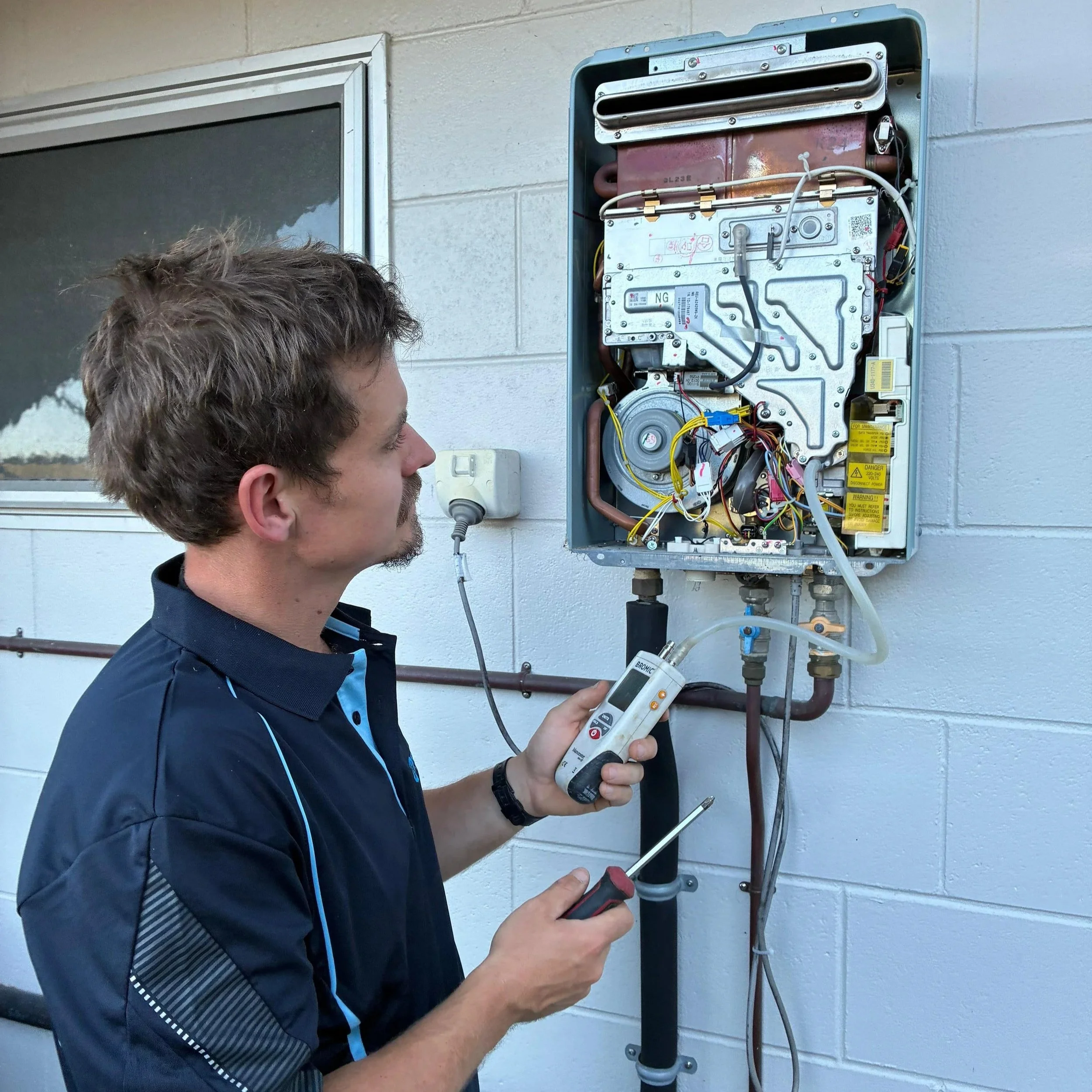
04. Gas Appliances? Don’t Touch Them
If your new home runs on gas — whether that's a gas hob, a gas heater, or an infinity hot water system — there are a few things you need to know upfront.
Gas appliances are efficient and reliable, but in New Zealand you legally cannot do any gas work yourself. Not even small stuff. All gas installation and repair must be carried out by a certified gasfitter — full stop.
What you should know instead:
If you smell gas (think rotten eggs or sulphur), don't switch any lights on or off. Turn off the appliance at the source if it's safe to do so, open windows to ventilate, get outside, and call a gasfitter immediately.
Know where your gas shuts off. Before anything goes wrong, find your gas isolation valve — it's usually outside near your meter or LPG bottles. Turning this off cuts the gas supply to your whole house.
👉 If you ever smell gas or suspect a leak — don't wait. Call us.
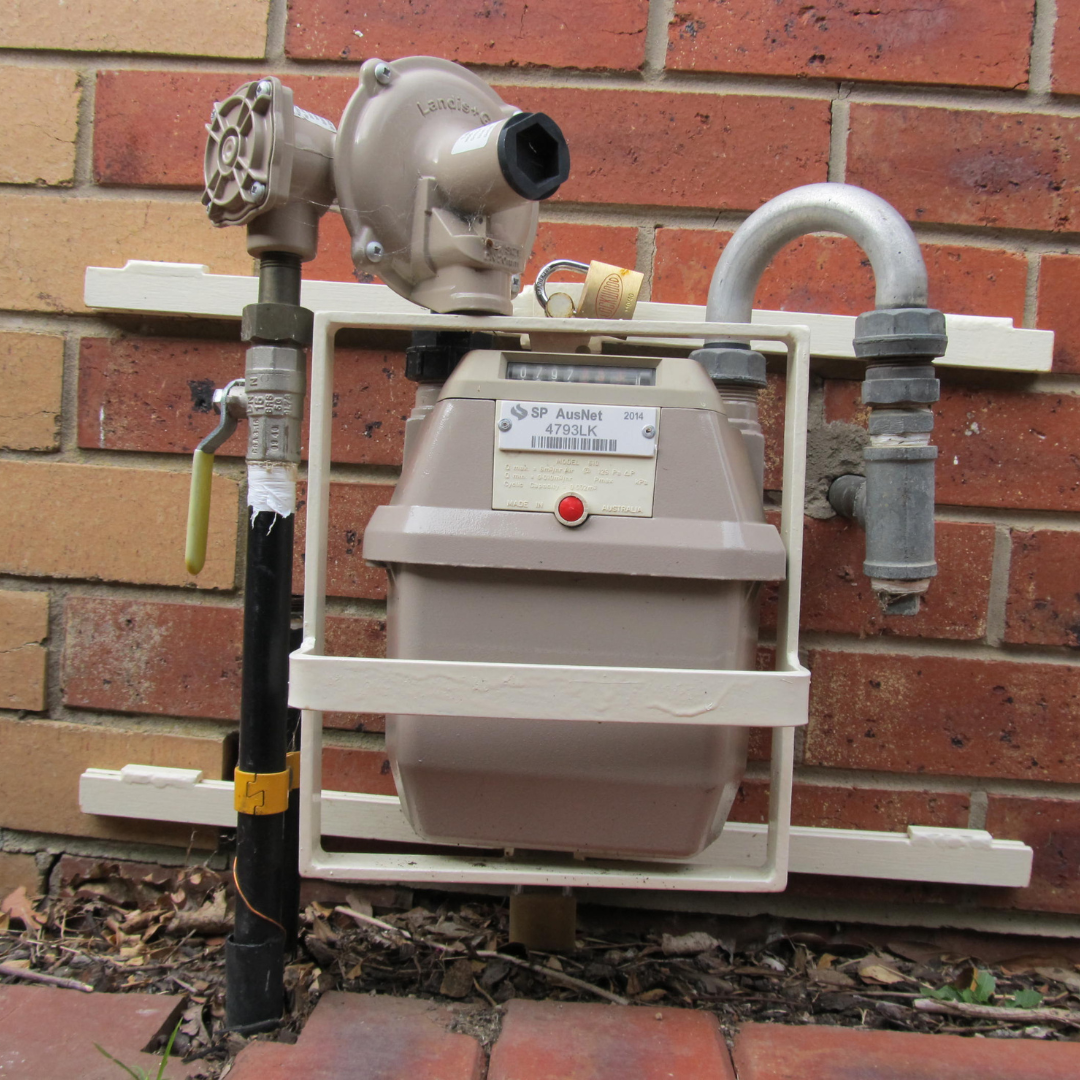
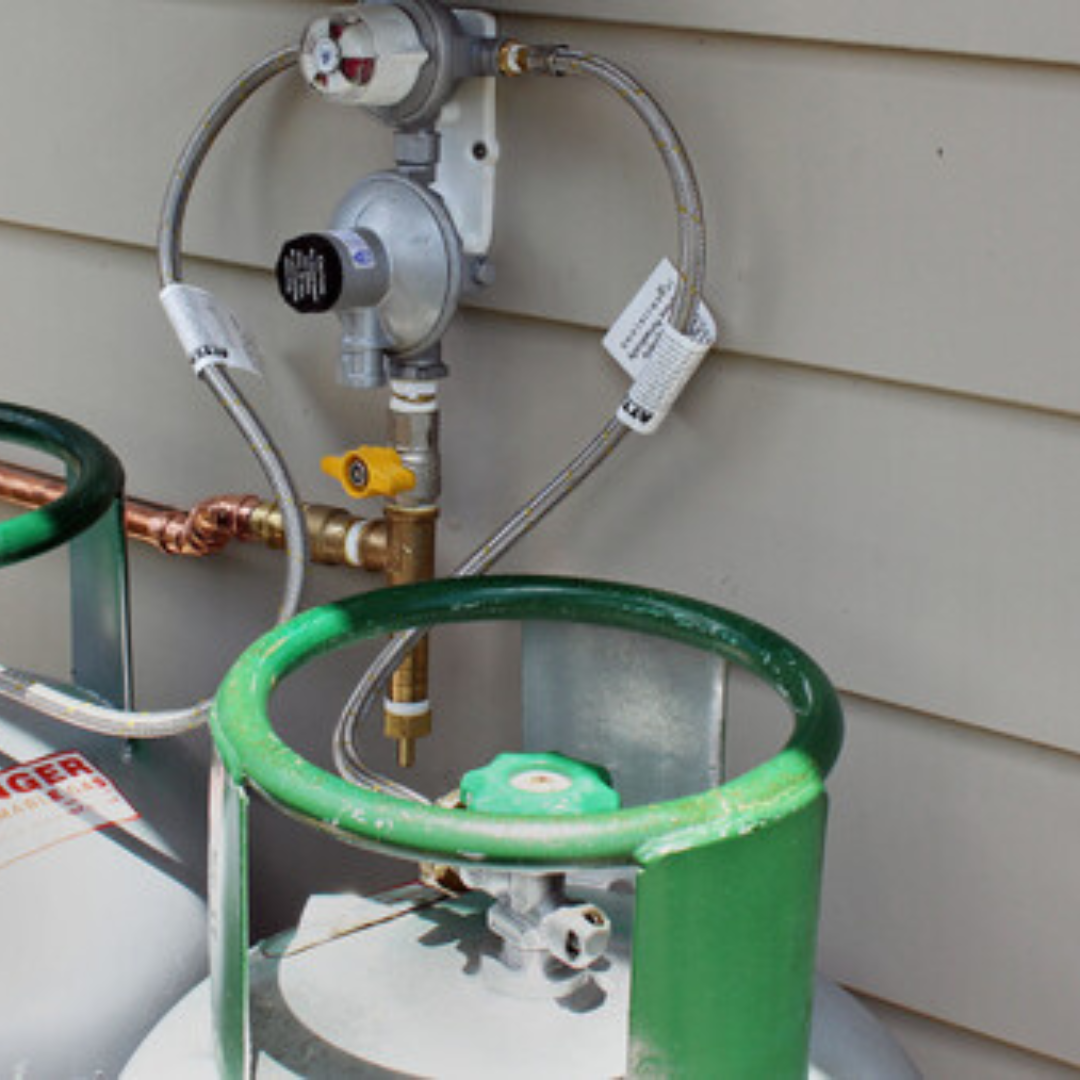
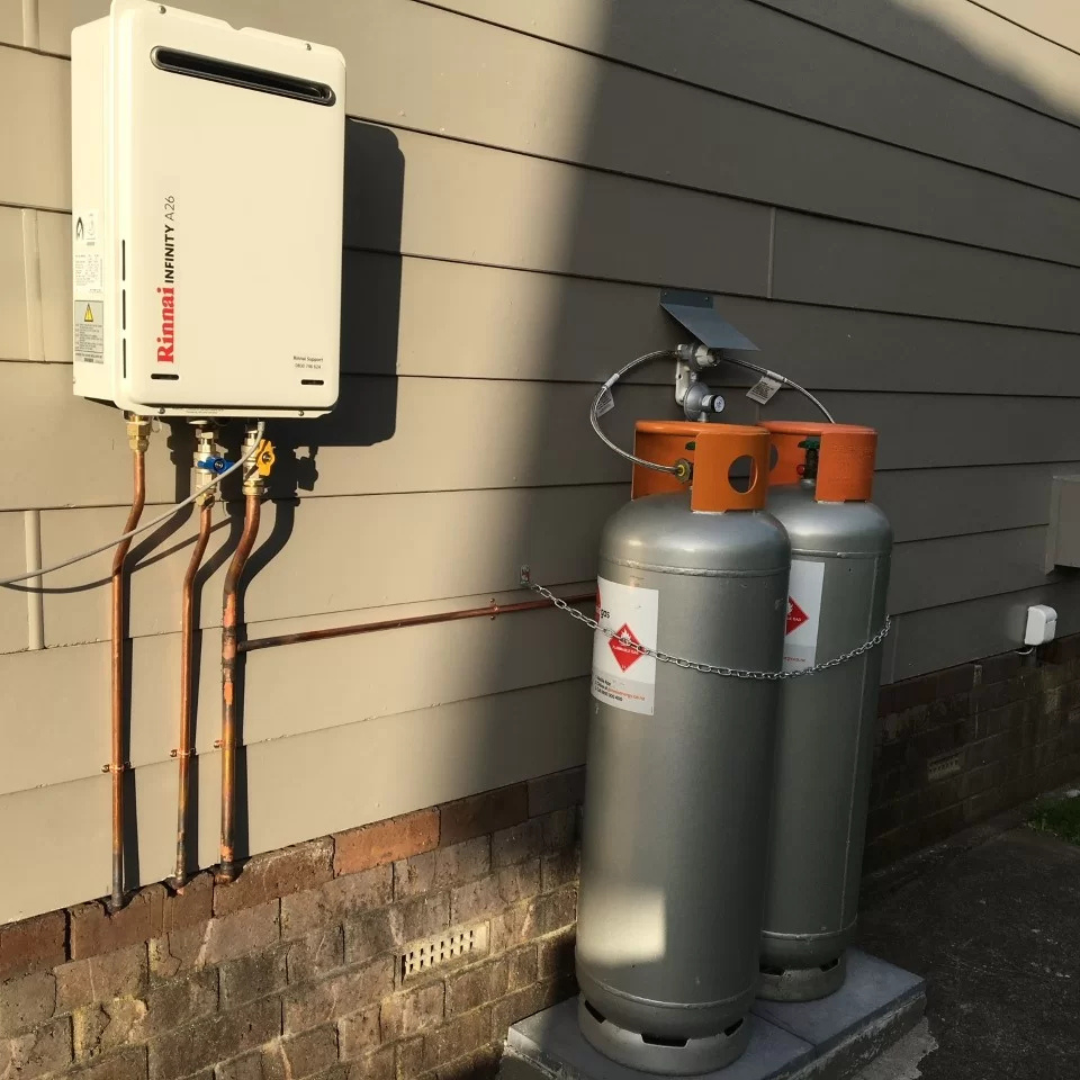
💡HOT TIP: Just like your water shut-off, find this now and show everyone in the house. It takes two minutes and could save you in an emergency.
5. Get to Know Your Leak Hotspots
Most leaks in New Zealand homes aren't the dramatic burst-pipe-flooding-the-kitchen kind. They're quiet. Slow. Hidden. And that's exactly what makes them dangerous, it can save you thousands maybe even more simply knowing how to identify and isolate a leak.
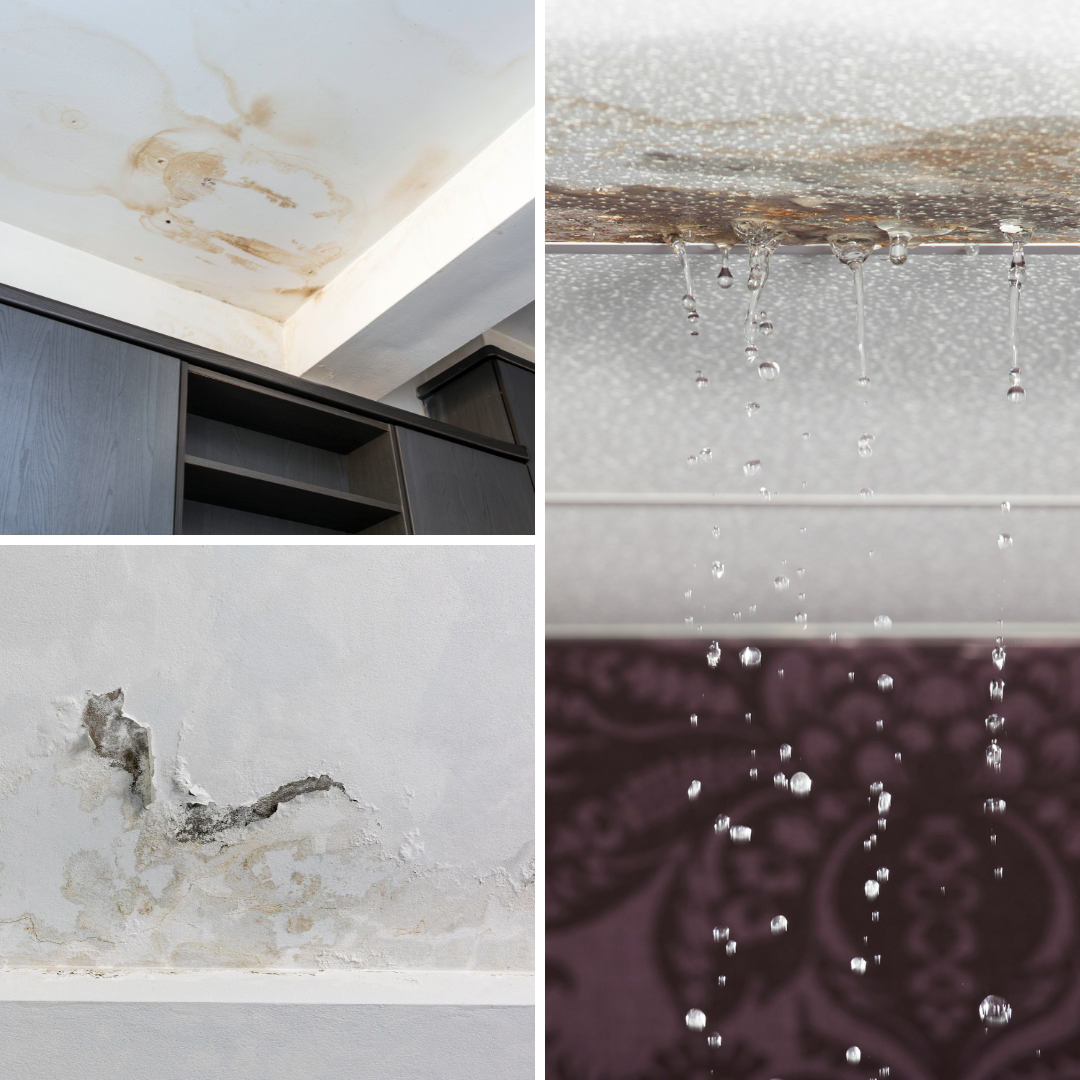
A small drip behind a wall or under a sink can go undetected for weeks — and by the time you notice it, water may have already soaked into your timber framing, gib, or flooring. That's when you're looking at mould, soft patches, and repair bills that go well beyond a simple plumbing fix.
A slow drip every few minutes adds up to litres of water a day. It doesn't need to flood your kitchen to cause serious damage.
As a new homeowner, get into the habit of checking these hotspots every few months:
Under the kitchen sink — open the cupboard and feel around the pipes and base for any dampness or water stains.
Around the base of the toilet — press gently on the floor around it. Soft or spongy flooring is a red flag.
Around your hot water cylinder — check the floor of the cupboard for moisture or rust-coloured staining.
Outdoor drains — do they overflow or back up in heavy rain? That's worth investigating.
And keep an eye out for these warning signs anywhere in the house: musty smells that won't go away, paint bubbling or plaster cracking, and water stains appearing on ceilings or walls.
💡HOT TIP: Walk barefoot across your floors every now and then — cold, damp patches often mean water is sitting underneath where you can't see it.
Hey, We’re How Good Plumbing & Gas.
Based in New Plymouth, we handle plumbing, gasfitting, and drainlaying right across Taranaki. Whether it’s a hidden leak or a major repair, we’ve probably seen it (and fixed it) before.