Signs of a Water Leak in Your Home, How to Find the Cause, and How Expensive it is to Fix
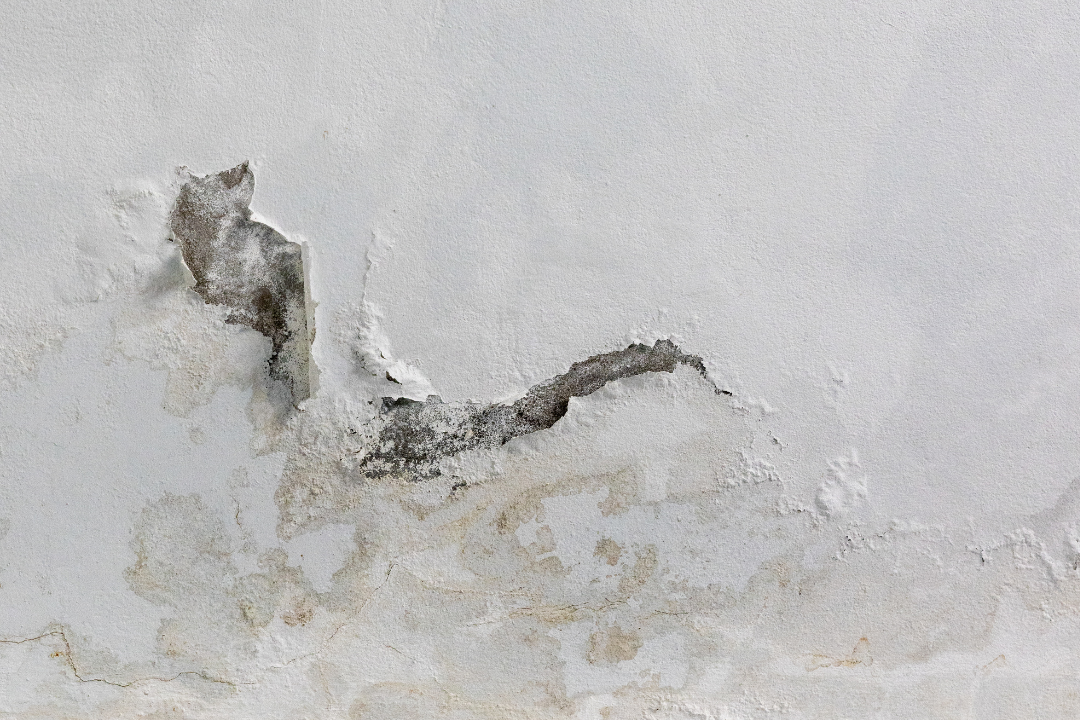
In Taranaki homes, leaks don’t always show up as a burst pipe. Sometimes it’s a damp patch on the ceiling, bubbling paint in the bathroom, dampness or damp patches appearing, or a strange musty smell you just can’t pin down or maybe even your walls start crying….
The tricky part? By the time you notice it, the damage might already be done. BUT - don’t despair - read on and we’ll show you how to find the leak.
Knowing where the leak is coming from and sending through photos, significantly reduces the amount of time we spend finding the leak. It also ensures we bring the correct materials to fix it which saves you money and limits the damage!
Signs of a Water Leak (and How to Know if Something is Leaking)
Hidden leaks can creep around quietly for months. Knowing what to look for is the first step. Whether it’s a recurring damp patch that seems a bit suspicious or water bill that keeps going up, even when you’ve been scaling back the water use, finding and isolating leaks is an essential skill for home owners.
Key warning signs:
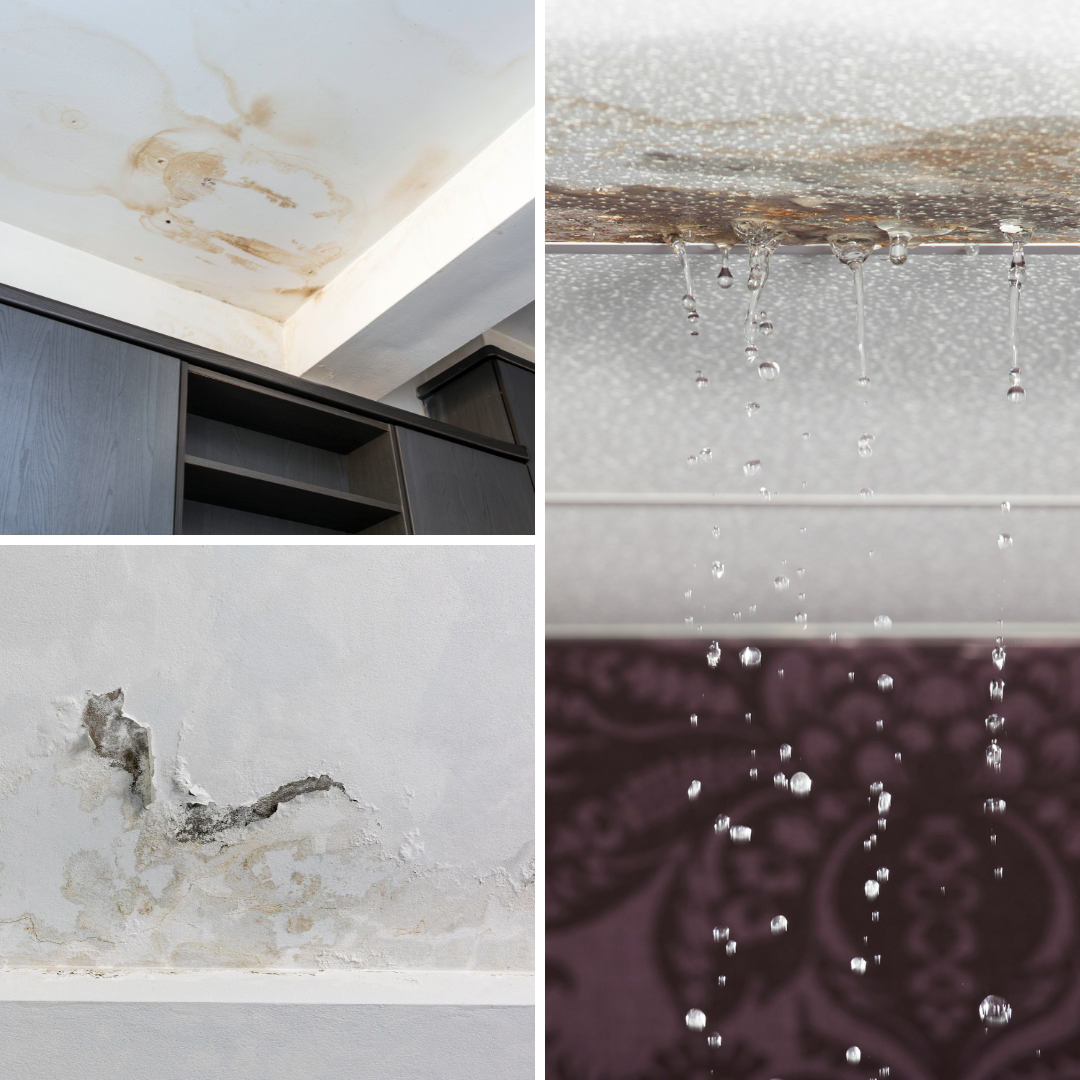
Damp spots on walls, ceilings, or floors
Peeling wallpaper or paint that bubbles up
Musty odours that linger even after cleaning
A dripping or rushing water sound when no taps are on
Water stains appearing in unusual spots
Condensation on the walls or drip marks
💡TIP: Walk barefoot across the floor — cold, damp patches often mean water is leaking underneath
Common Leak Areas in Taranaki Homes
We see the same culprits pop up time and again in New Plymouth and across Taranaki.
These are some of the common areas you should be looking at - but we have to warn you, it may mean crawling under your house or getting up in the roof depending on your set-up.
💡If you notice water - follow the trails. Water pools in low points so you want to look at anywhere it might have got in and follow the trail uphill from the pool of water.
Behind showers and toilets — pinhole leaks from old fittings
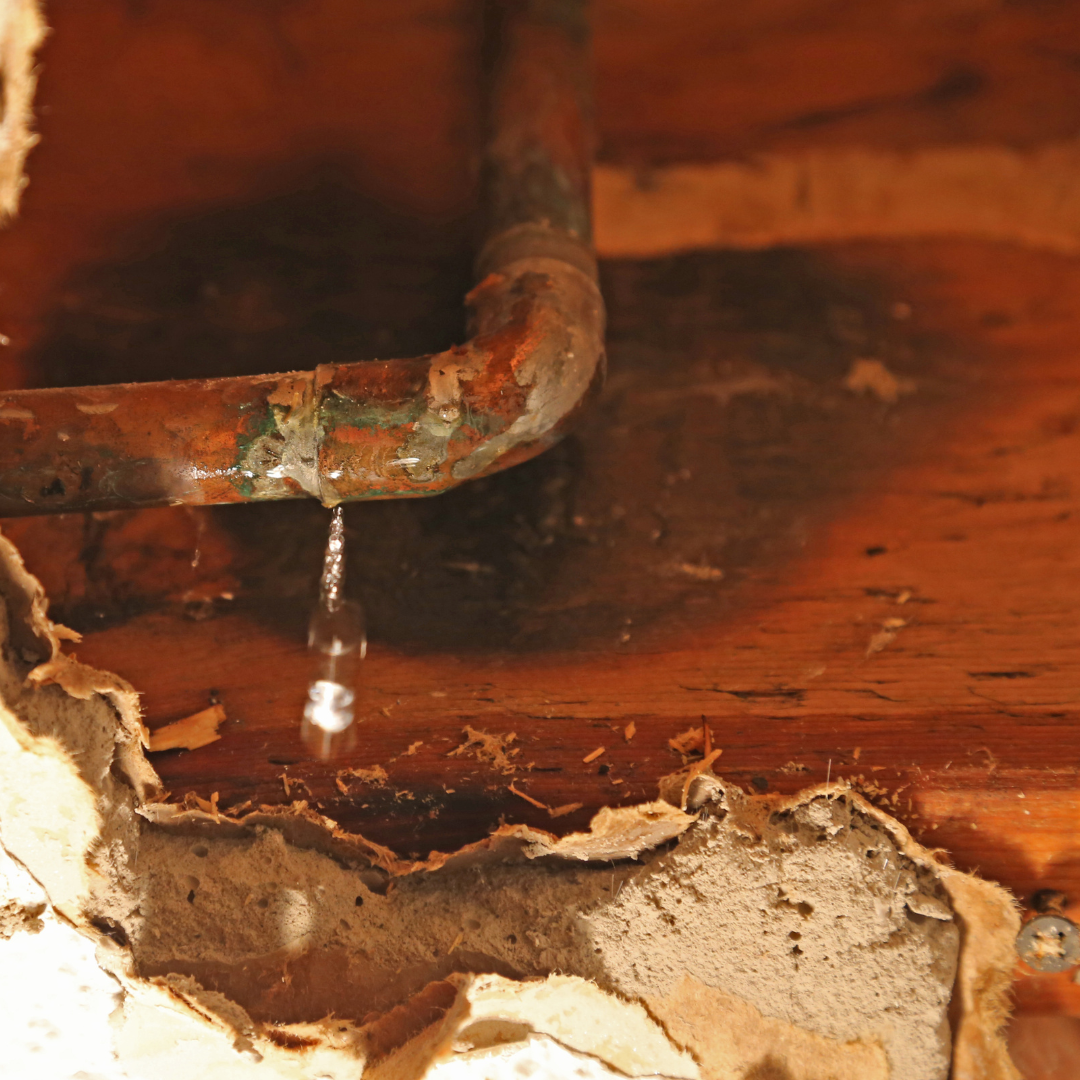
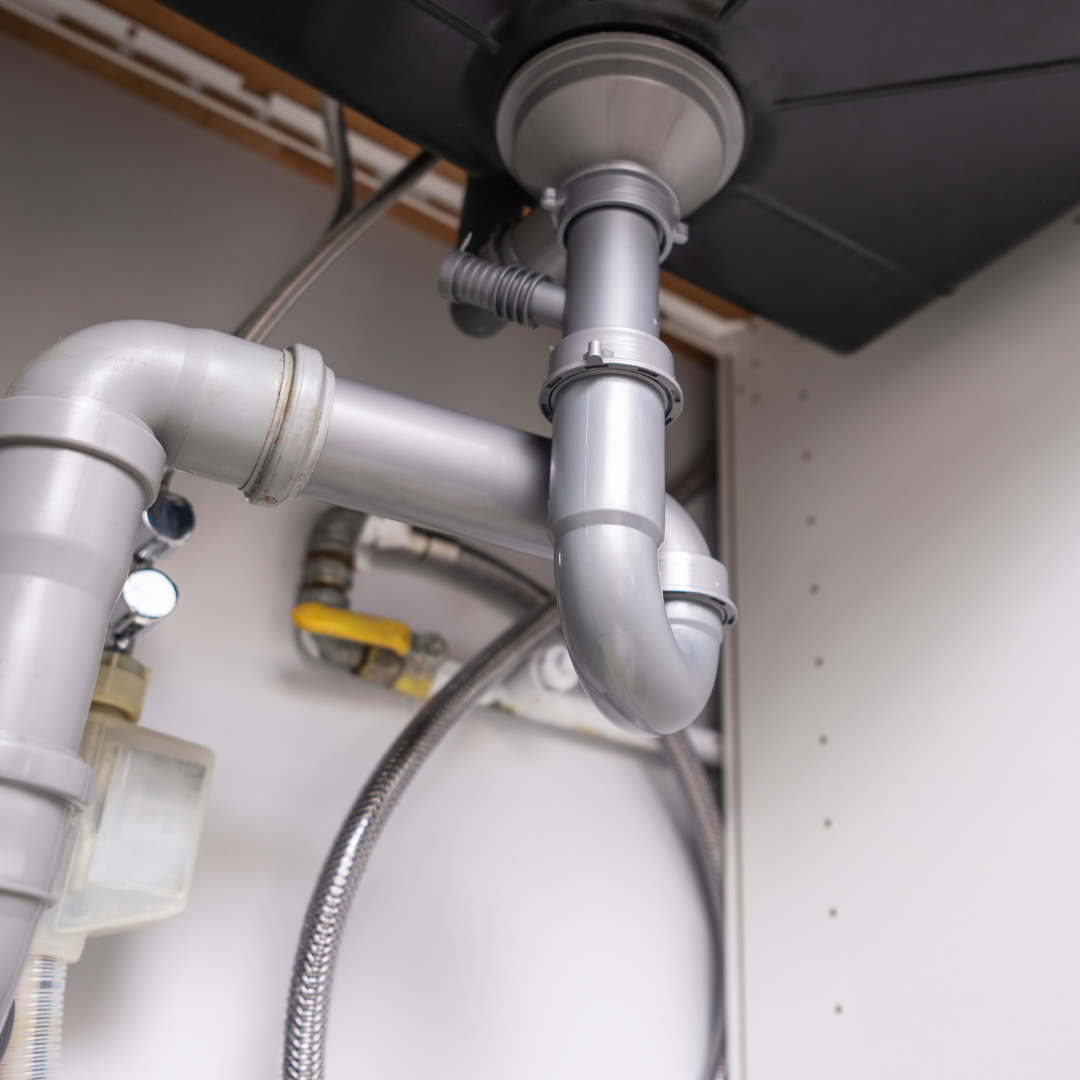
Under sinks and vanities — hidden drips swelling timber
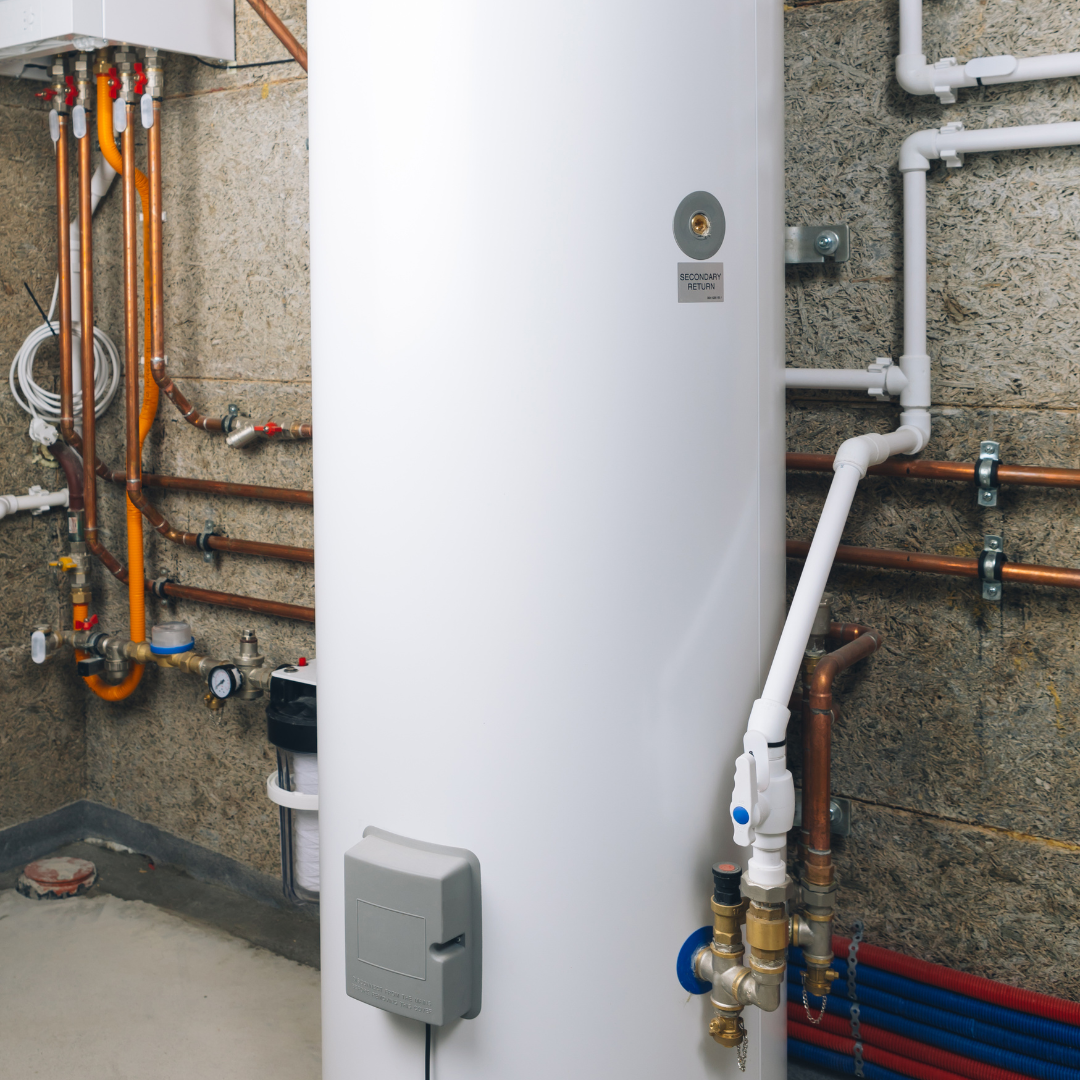
Hot water cylinders — quiet leaks into hot water cupboards
Old galvanised pipes — especially in villas and older builds
Outdoor drains — tree roots cracking pipes and causing leaks
Washing Machines - leaking hoses or fittings
Roof leaks - from damaged or poorly installed fittings or flashings - especially after storms or high winds
Even in newer homes things like rodents chewing through pipes can cause unexpected leaks.
How to Identify Leaks Yourself
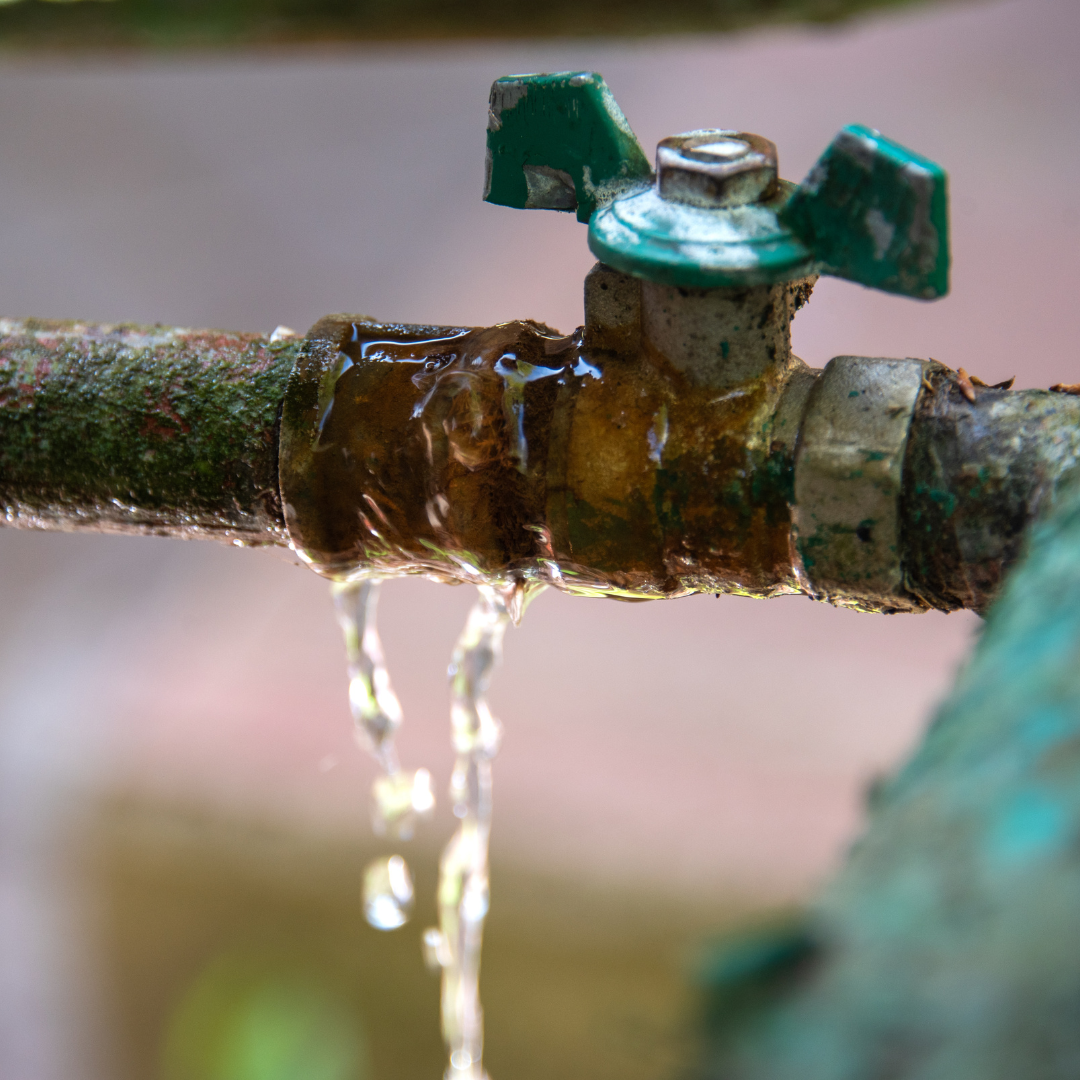
You don’t always need fancy gear to confirm a leak.- You can save yourself from further damage sometimes by finding the leak quickly and diverting the water away from causing additional damage. Such as putting a bucket underneath to catch the drips.
IMPORTANT: For serious leaks, think: gushing water or consistent water flow - the first thing you should do is turn the water off and then call a How Good Plumbing.
So you found water & you’re looking for the culprit: A couple of simple checks can help:
Inspect under sinks and vanities for damp timber or water stains
Check cupboards around your hot water cylinder for moisture
Listen at night — leaks are easier to hear when everything else is quiet
Watch for mould growth on ceilings or in corners
🚨If you’re not 100% sure, don’t ignore it. Small leaks turn into big repairs if left too long.
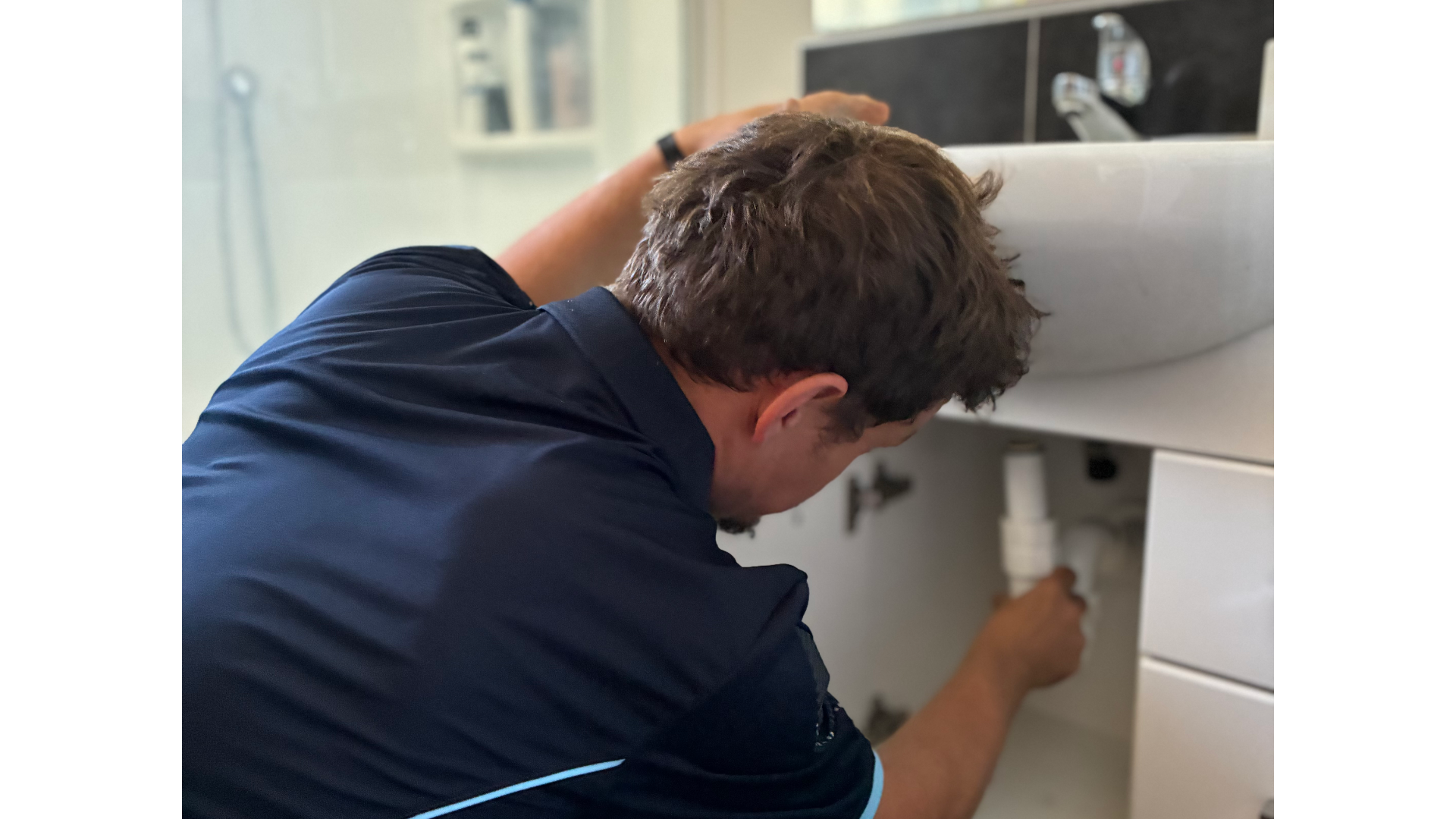

Hey, We’re How Good Plumbing & Gas.
Based in New Plymouth, we handle plumbing, gasfitting, and drainlaying right across Taranaki. Whether it’s a hidden leak or a major repair, we’ve probably seen it (and fixed it) before.
Common Leaks in Your Taranaki Home and How Costly They are to Fix
Not every leak needs an emergency plumber on speed dial — but knowing how to find the source and stopping any further damage is essential for saving you money. Here are the most common leaks we see around New Plymouth and Taranaki, plus what you can do to limit any damage or inconvenience.
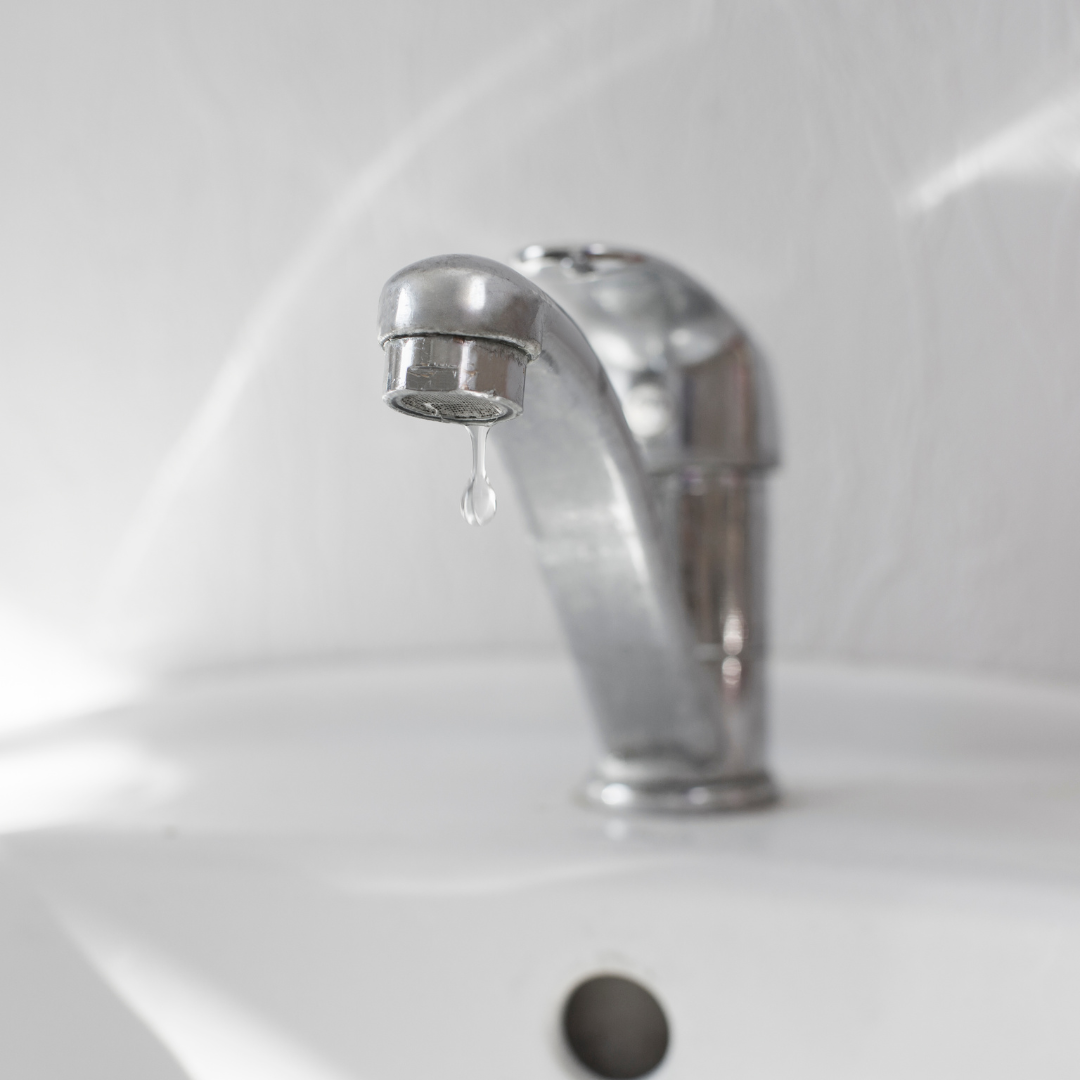
01. Leaking Tap (Dripping Faucet)
How to spot it:
Listen for a steady drip from a tap even when it's fully turned off. Check under the sink for moisture or water stains around the base of the tap or inside the cabinet — these can point to a slow leak you might not have noticed yet.
What you can do in the meantime:
Place a cloth or small bowl under the drip to protect surfaces and reduce water waste. If the drip is a significant spraying leak, turn off the water supply to your house and if you’re in Taranaki immediately How Good Plumbing Limited
What to tell us when you call:
Let us know where the tap is located (kitchen, bathroom, laundry), whether it's a single handle or two-handle tap, and whether the water is dripping from the spout or leaking around the base. It also helps to know how long it's been happening and how fast it's dripping.
Cost estimate: 💰 —💰💰Low to Medium
A leaking tap is usually a straightforward fix. Servicing sits at the lower end, where as replacing the tap can boost the price depending on the brand and style of the tap
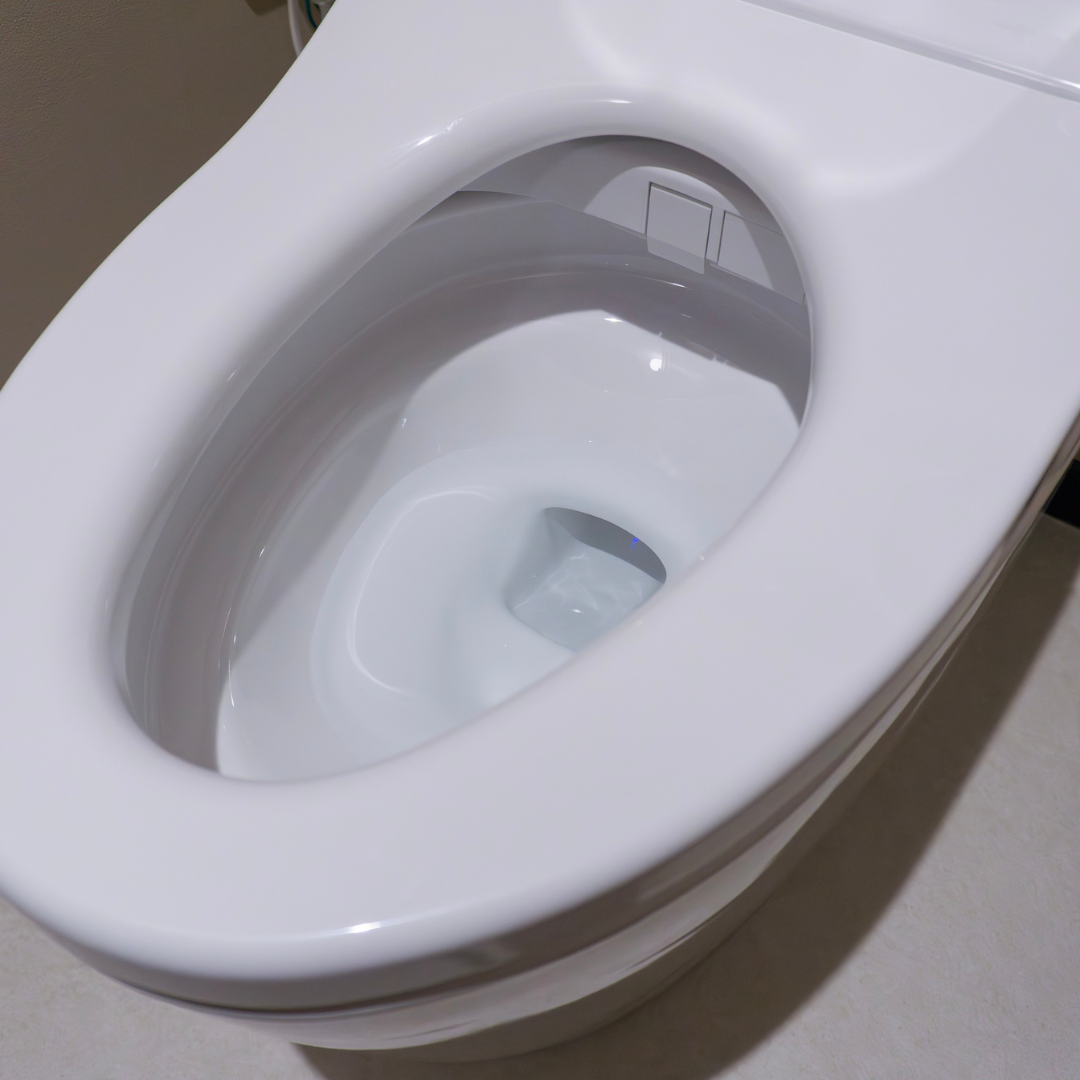
02. Leaking Toilet Cistern
How to spot it:
Listen for a constant hissing or trickling sound coming from the toilet, even when it hasn't been flushed recently. Check the bowl - if you can see a thin stream of water running down the sides.
What you can do in the meantime:
Turn off the isolation valve behind or beside the toilet, (Righty Tighty - Turn handle clockwise to turn off the water) to stop water continuously running through. Only flush when necessary until it's repaired, as it can waste a significant amount of water over time.
What to tell us when you call:
Let us know whether the water seems to be trickling into the bowl or overflowing into the overflow pipe, whether the toilet is slow to fill after flushing, and if there's any water visible around the base of the toilet. The more detail the better - even a quick video or photo sent through can help.
Cost estimate: 💰 —💰💰Low to Medium
Inlet valve and flush valve replacements are generally affordable.
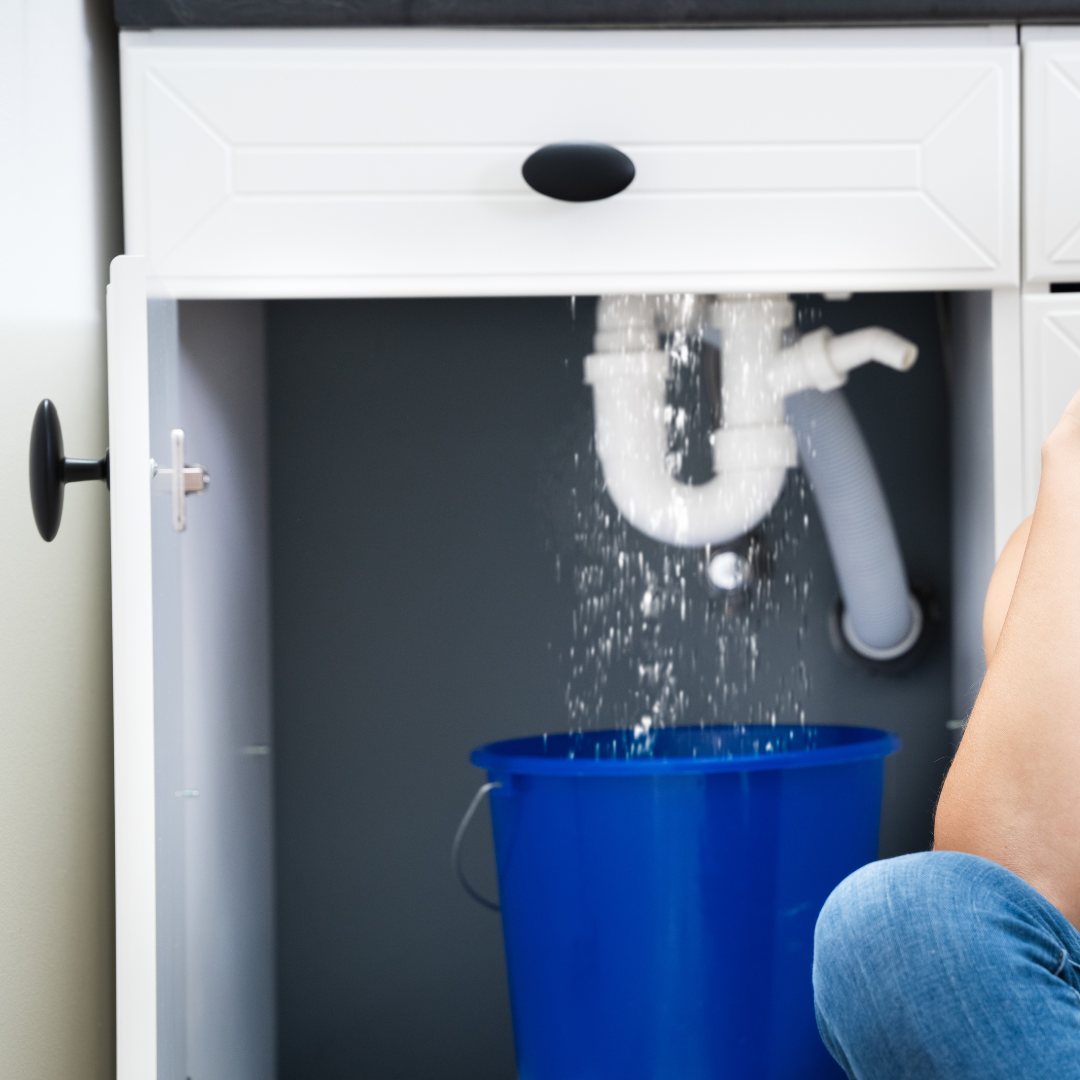
03. Leak Under the Sink
How to spot it:
Open the cabinet under your sink and look for pooling water, damp patches, or water stains on the base. A musty smell inside the cabinet is often the first sign of a slow leak that's been going unnoticed. Check after running the tap or using the drain to see if anything drips or weeps from the pipework.
What you can do in the meantime:
Place a bucket or some old towels under the pipes to catch any dripping water and protect the cabinet floor. Avoid storing anything under the sink until it's fixed, and try to limit use of that tap where possible to reduce the flow through the leaking area.
What to tell us when you call:
Let us know whether the leak seems to be coming from the water supply pipes (the ones going into the tap) or the drain pipes below the basin. Tell us if it leaks constantly or only when the tap is running, and whether you've noticed any discolouration or rust on the pipes. A quick photo sent through is always a big help.
Cost estimate: 💰 —💰💰Low to Medium
Loose connections and simple seal replacements are on the lower end. If pipes are corroded or a section needs replacing, or if the leak has caused any water damage to the cabinet itself, costs can move into the medium range.
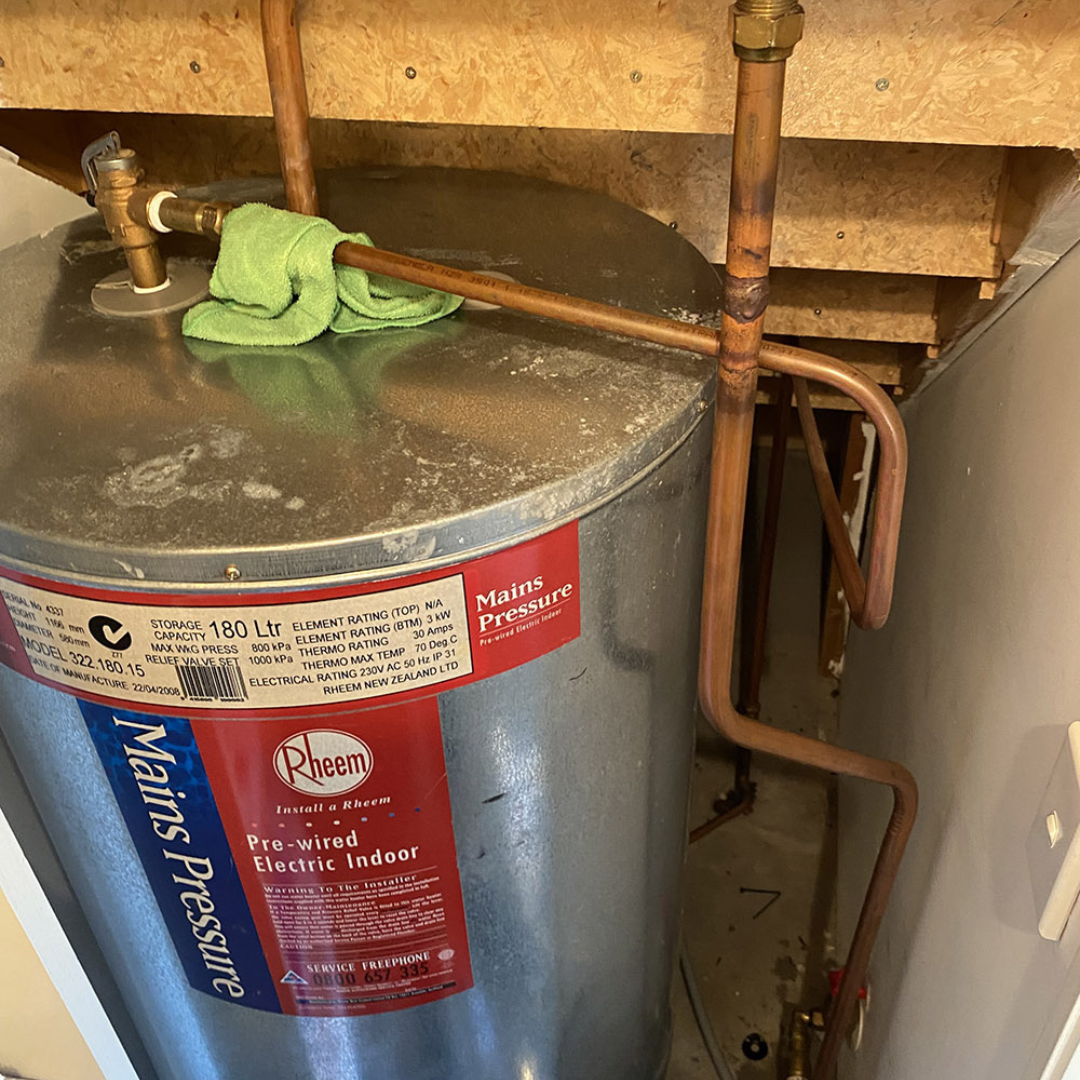
04. Hot Water Cylinder Leaks
How to spot it:
Check around the base of your hot water cylinder for pooling water, damp patches, or rust-coloured staining on the floor or surrounding walls. Check if there’s a sudden unexplained increase in your energy bill. Also look at the pressure relief valve — usually a small valve on the side or top of the cylinder with a pipe leading outside or to a drain — and check whether water is dripping from it consistently. A drop in hot water pressure or temperature can also be an early warning sign something isn't right.
What you can do in the meantime:
If water is actively pooling, turn off the cold water supply to the cylinder (usually a valve on the pipe feeding into the bottom or the side, near the base) and switch the cylinder off at the power supply or gas valve to avoid heating an empty or compromised tank. Place towels around the base to limit any spread and check back regularly.
What to tell us when you call:
Let us know where the leak appears to be coming from - the base of the cylinder, the relief valve, or a connecting pipe. Tell us the approximate age of the cylinder if you know it, whether it's electric or gas, and how long you've noticed the issue. Any rust, bulging, or discolouration on the cylinder itself is important to mention too.
Cost estimate: 💰💰 —💰💰💰Medium to High
Faulty valves are moderately expensive, however, a burst cylinder that requires full replacement sits firmly at the higher end of the scale, and is best caught early to avoid more costly water damage to the surrounding area.
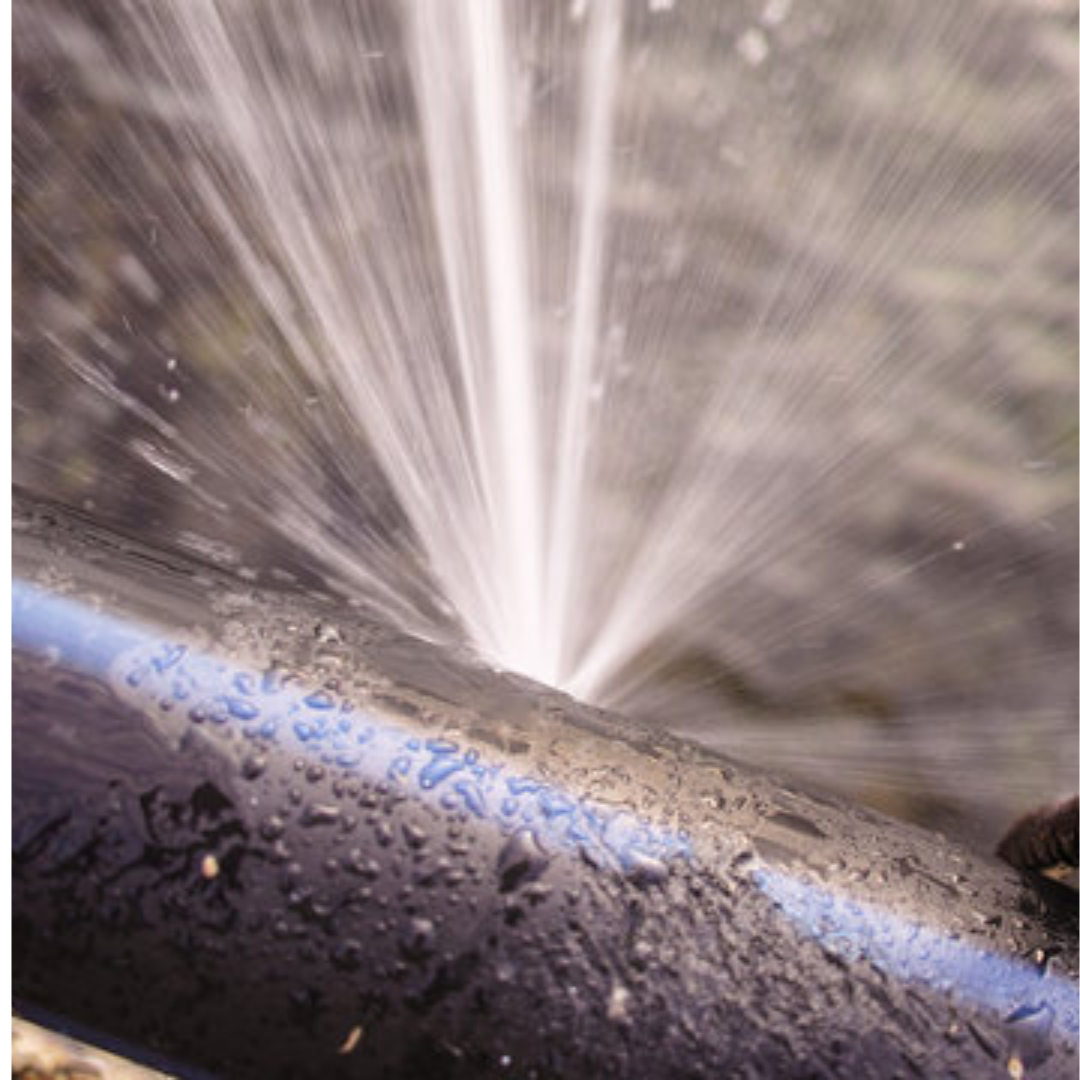
05. Leaks Behind Walls or Under Floors
How to spot it:
Watch for unexplained damp patches or bubbling paint on walls, soft or warped sections of flooring, or a musty smell that won't go away. You might also notice your water meter ticking over even when nothing in the house is turned on — this is one of the clearest signs of a hidden leak. A sudden unexplained spike in your water bill is another red flag worth taking seriously.
What you can do in the meantime:
If you suspect a hidden leak, turn off your main water supply to limit further damage and avoid using water until you've spoken to the team at How Good Plumbing & Gas Taranaki. Don't attempt to open walls or floors yourself - it's easy to cause more damage than the leak itself.
What to tell us when you call:
Describe where you've noticed the warning signs - which room, which wall, or which section of flooring. Let us know if the damp patch is growing, how long you've noticed it, and whether you've seen any change in water pressure throughout the house. The more detail you can give us, the faster we can identify the likely source.
Cost estimate: 💰 —💰💰💰Low to High
Costs depend heavily on where the leak is and how long it's been running. Caught early, it can be a contained repair. Left too long, damage to framing, flooring, and gib (drywall) can significantly increase the overall cost. Acting quickly is always the most cost-effective approach.
What Does It Cost to Fix a Leak?
The costs depend on where the leak is and how much damage it’s done -but we’re no strangers to the feeling of panic - not knowing if a rogue pool of water is going to cost you a kidney or a coffee - so here’s an indicative range depending on the complexity of the leak*
Simple fixes — like a leaking trap under a sink or a loose fitting: usually $150–$300. Quick and affordable.
Hot water cylinder leaks — can range from a $500–$1000 valve replacement to a 3,000–$4,000 full replacement, depending on the type and size of cylinder.
Leaks behind walls or under floors — detection and repair often start from $300–$800, but if gib, flooring, or cabinetry needs replacing, the total can push into the thousands. In these cases the quicker you get on top of it the more money you’ll likely save - do don’t procrastinate these bad boys.
💡 The earlier you catch it, the cheaper it usually is.
*Obviously, this does not count as a quote - if you’d like an actual quote we got you. Click here for a free, no obligation quote.

Worried you might have a leak?
If you’re in New Plymouth or wider Taranaki, give How Good Plumbing & Gas a call and we’ll give you a free, no-obligation quote so you know exactly what you’re dealing with.