When to DIY and When to Get a Professional Plumber: What You Can (and Can’t) Do in NZ
If you own a home in New Zealand, sooner or later you’ll face a plumbing problem. Maybe it’s a dripping tap keeping you awake at night, a blocked toilet before guests arrive, or a hot water cylinder that suddenly stops delivering hot showers. That she’ll be right Kiwi attitude often has us New Zealanders thinking: “Can I fix this myself, or do I need a licensed plumber?”
This is a smart question, because in New Zealand plumbing, gasfitting, and drainlaying are covered by strict laws. Some jobs are totally fine for DIY — and you’ll save money and feel proud doing them yourself.
But many jobs are illegal unless they’re carried out by a licensed plumber or gasfitter. Getting it wrong can void your insurance, put your family at risk, and even result in fines of up to $10,000.
Why Are There Rules Around DIY Plumbing in NZ?
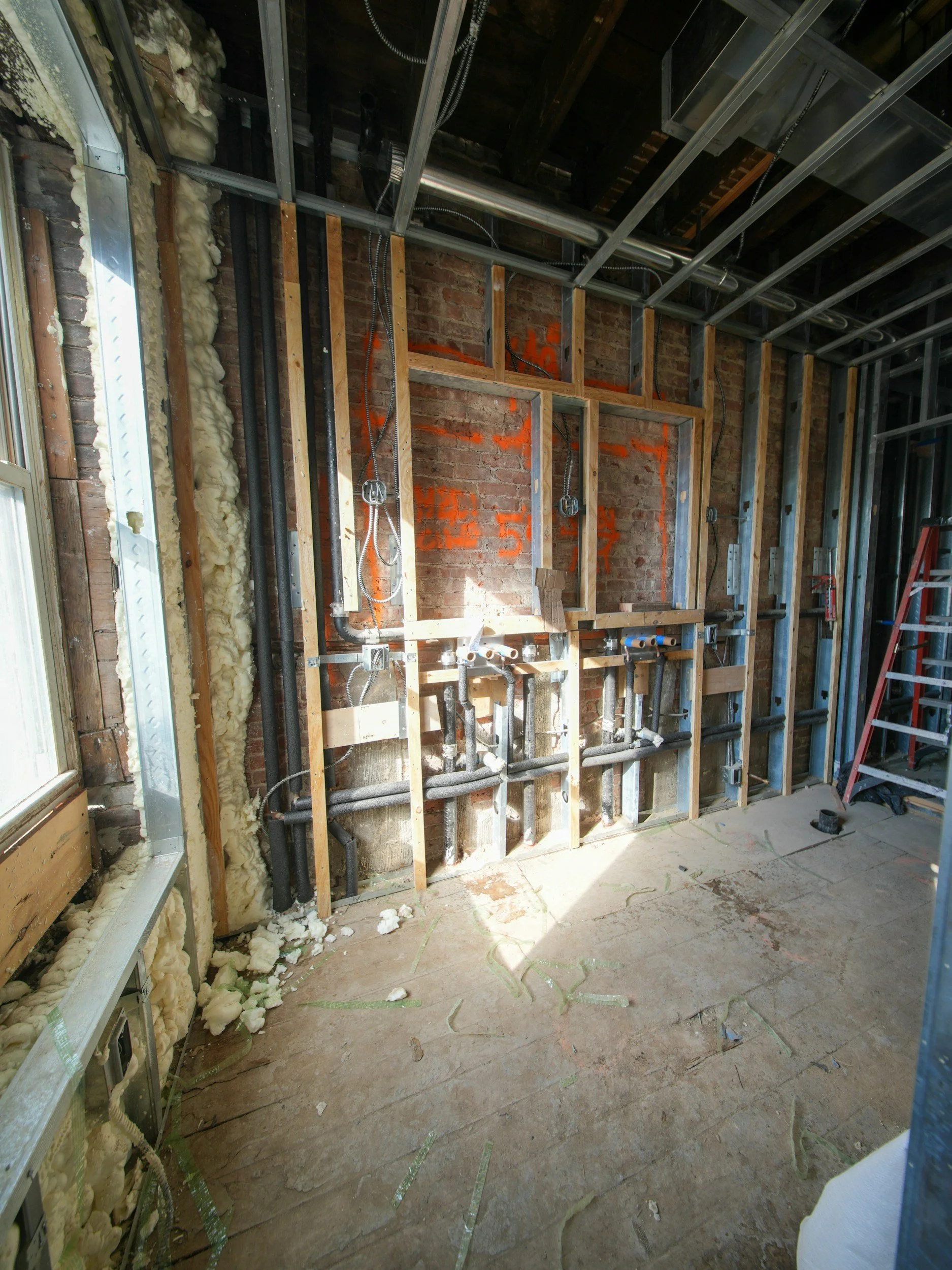
Water and gas are not forgiving. One small mistake can cause leaks, flooding, contamination, scalding, fire, or even carbon monoxide poisoning. New Zealand law (set by the Plumbers, Gasfitters and Drainlayers Board) protects the public by making sure that only qualified tradespeople handle high-risk work.
Licensed plumbers, gasfitters and drain layers go through years of training, exams, and on-the-job experience. They know the building code, safety standards, and the tricks of the trade that keep your home safe.
So before you grab a wrench, it’s important to know what’s legally DIY — and what isn’t.
Not sure where your job falls? Call How Good Plumbing & Gas today to find out before you get started.
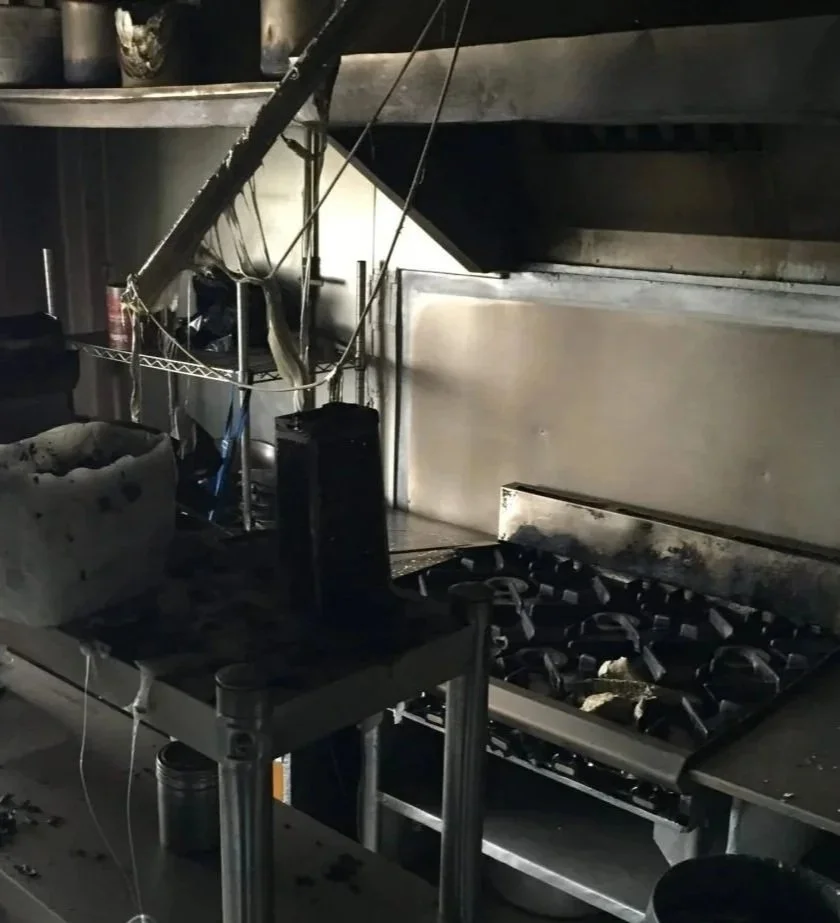
Gas done wrong can have serious consequences - you can find a log of incidents from worksafe here.
So what can you DIY and what should you get a professional for?
What Plumbing Jobs Can You Do Yourself at home in NZ?
The good news is there are a number of small, everyday jobs you can tackle yourself without breaking the law — and we're always upfront about that. We'd rather point you in the right direction than charge you for a call-out you don't need:
Fixing a dripping tap: Replacing a tap washer or cartridge is fine for DIY.
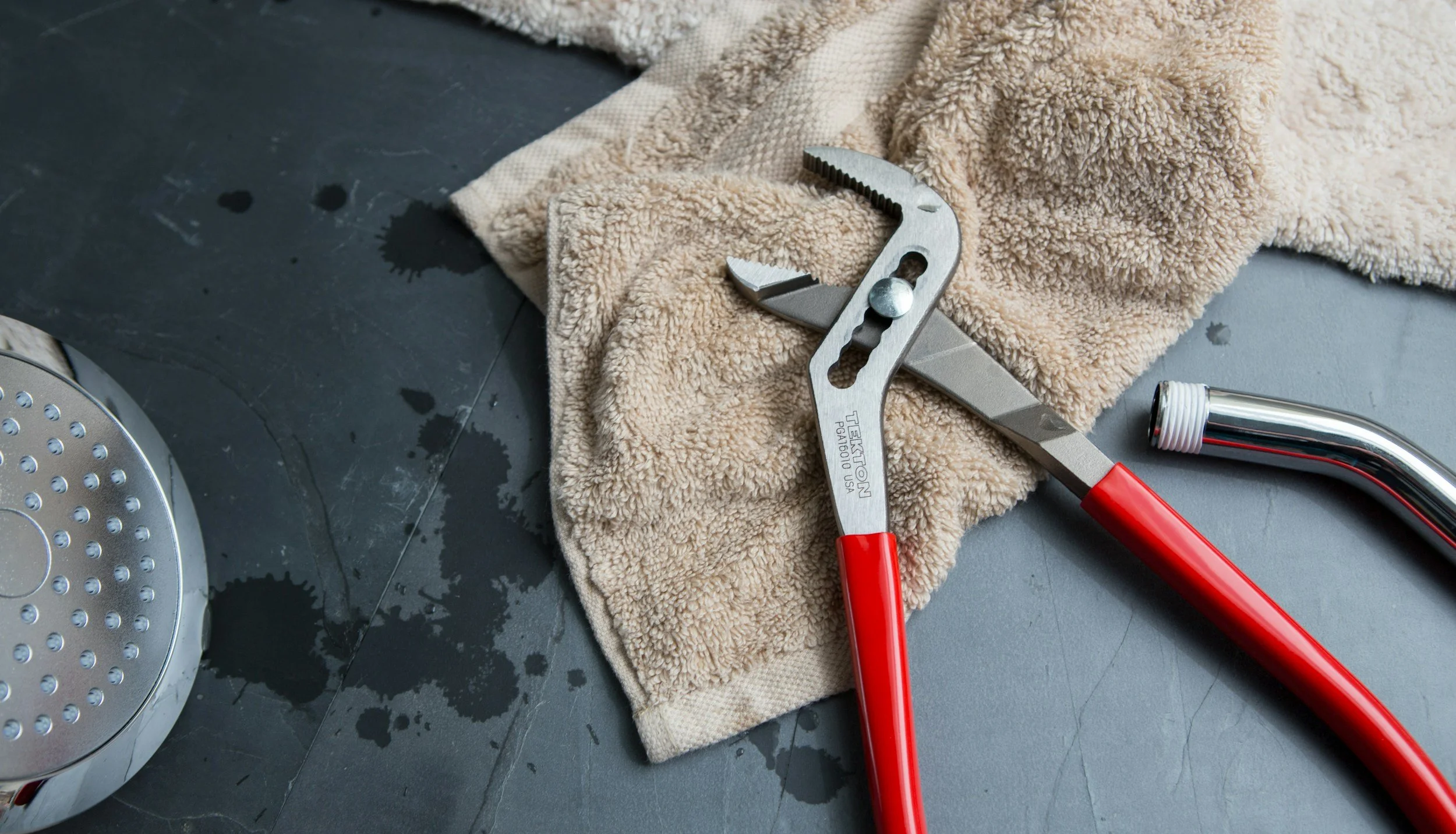
Changing shower heads and hoses: As long as you’re not moving pipes in the wall, swapping out fittings is allowed and relatively easy to implement.
Unblocking drains and toilets: Using a plunger, drain snake, or off-the-shelf drain cleaner is all legal.
Garden irrigation systems: Anything outdoors that doesn’t connect back into your home’s potable (drinking) water supply.
Connecting appliances: Plugging in a dishwasher or washing machine to an existing isolating valve and waste pipe is fine.
Replacing tap handles and spouts: Cosmetic upgrades that don’t involve moving or altering pipework are realtively common to DIY and an easy win.
What Plumbing Jobs Must Be Done by a Licensed Plumber in NZ?
Here’s the big one: anything that alters, installs, or repairs the actual water, waste, or gas systems in your home is off-limits to DIY. That means you must call in a licensed plumber, gasfitter, or drainlayer for:
Hot water cylinders: Installing, moving, or replacing a hot water cylinder is always a licensed job.
Gasfitting: Whether it’s a new gas hob, a continuous flow hot water system, or even “just” moving a gas pipe — gasfitting is strictly for licensed pros.
Water supply pipes: Any work on drinking water pipes (inside or outside the house) is restricted.
Bathrooms and kitchens: Installing or relocating toilets, sinks, showers, or baths must be handled by a licensed plumber.
Drainlaying: Laying, repairing, or altering wastewater pipes (sewer, stormwater, gully traps, etc.) is restricted work.
Backflow prevention devices: These protect drinking water from contamination. Installation and maintenance must be done by a licensed person.
“Do it Yourself” tasks are considered “low risk” because they don’t involve changing how water or waste flows through your home. They’re also great ways to save money by doing it yourself.
👉 If your job involves hot water, gas, or drains, don’t risk it — contact How Good Plumbing & Gas and let us handle it legally and safely.
Hey, We’re How Good Plumbing & Gas.
Based in New Plymouth, we handle plumbing, gasfitting, and drainlaying right across Taranaki. Chuck our number in your phone now so that you have a plumber on standby - if the worst should happen!

How Good Plumbing & Gas
New Plymouth & Taranaki
Downloads a contact file — works on iPhone & Android
The Risks of Doing Restricted Plumbing Yourself
It’s tempting to try your hand at bigger plumbing jobs, especially when you’re handy around the house. But here’s what most DIYers don’t realise:
It’s illegal: Restricted plumbing work without a licence is against the law.
You can be fined: Homeowners can face penalties up to $10,000, and unlicensed tradespeople can be fined even more.
Insurance won’t cover you: If unlicensed plumbing causes damage, your insurer can refuse to pay out.
You could put your family at risk: Gas leaks, carbon monoxide, scalding water, flooding, and contamination are all very real dangers.
So even if you “think” you can do it, the risk simply isn’t worth it.
How to Know if You Need a Licensed Plumber
A quick rule of thumb:
If you’re dealing with surface fittings (like washers, shower heads, or hoses), DIY is usually okay.
If you’re dealing with pipes, drains, hot water, or gas, you need a licensed professional.
Not sure? A quick call to a plumber (go ahead, call us now) can save you from accidentally crossing the line.
When to Call How Good Plumbing & Gas
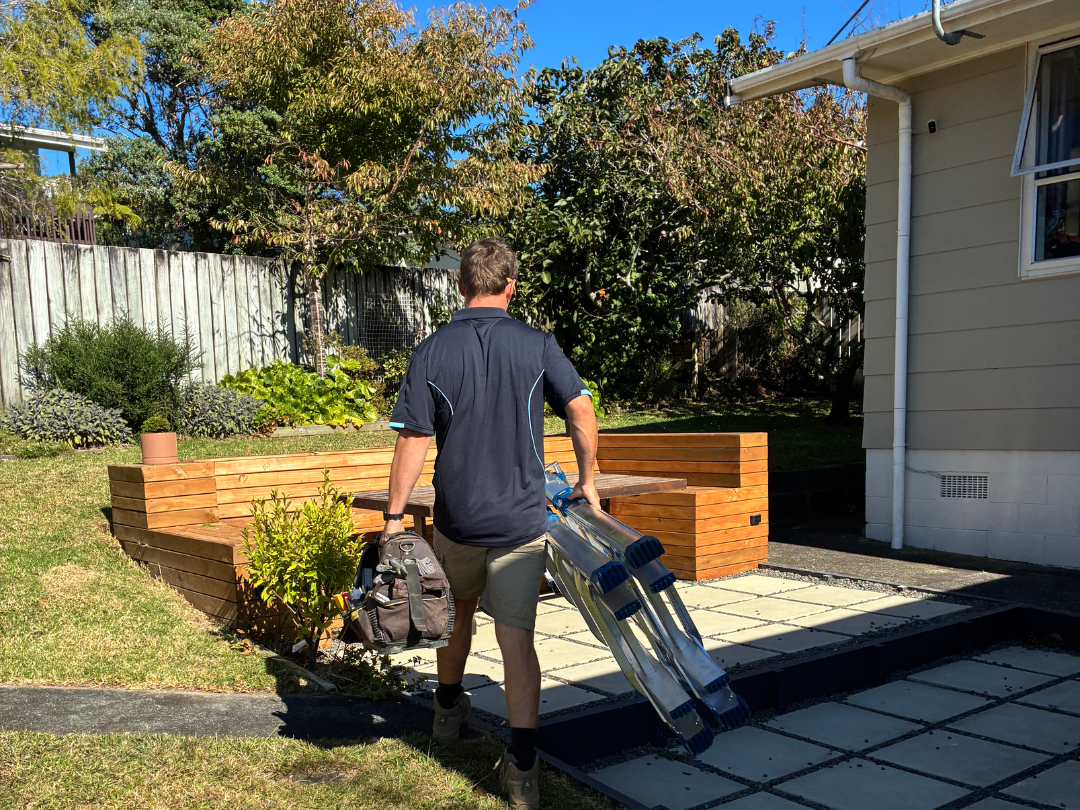
At How Good Plumbing & Gas, we know that homeowners like to be hands-on. We’ll always be upfront with you about whether something is safe and legal to DIY, or whether it needs our licence on the job.
If your job is restricted — like installing a hot water cylinder, connecting a gas hob, or fixing underground drains — we’ll get it sorted safely, legally, and to code.
If it’s a simple DIY fix, we’ll happily point you in the right direction so you don’t waste money on a call-out you don’t need.