What You Should (and Absolutely Shouldn’t) Put Down Your Drain
Your drains handle a lot. Every day, water from your kitchen, bathroom, and laundry is whisked away through a network of pipes, quietly, efficiently, out of sight and out of mind. Until it isn't.
You know the signs. The sink that takes just a little longer to drain than it used to. The faint funky smell that hangs around even after you've cleaned. Easy to ignore, easy to blame on something else (ahem, whoever smelt it, dealt it, right?), but these are your drains telling you something is building up in there.
And the longer you leave it, the worse it gets.
Blocked drains are one of the most common callouts we get here at How Good Plumbing & Gas. And nine times out of ten, the culprit isn't a broken pipe or some mysterious underground problem.
It's what's been going down the drain in the first place.
The good news? Most drain blockages are totally preventable. Here's exactly what to keep out of your kitchen and bathroom sink, and what to do if things have already started backing up.
⚠️ First Up, Put Down the Drano
If your drain is already slow and you're thinking about grabbing a bottle of Drano or another chemical drain cleaner from the supermarket? Stop right there. We need to talk about this first, because it's one of the most common things people do that actually makes the problem worse.
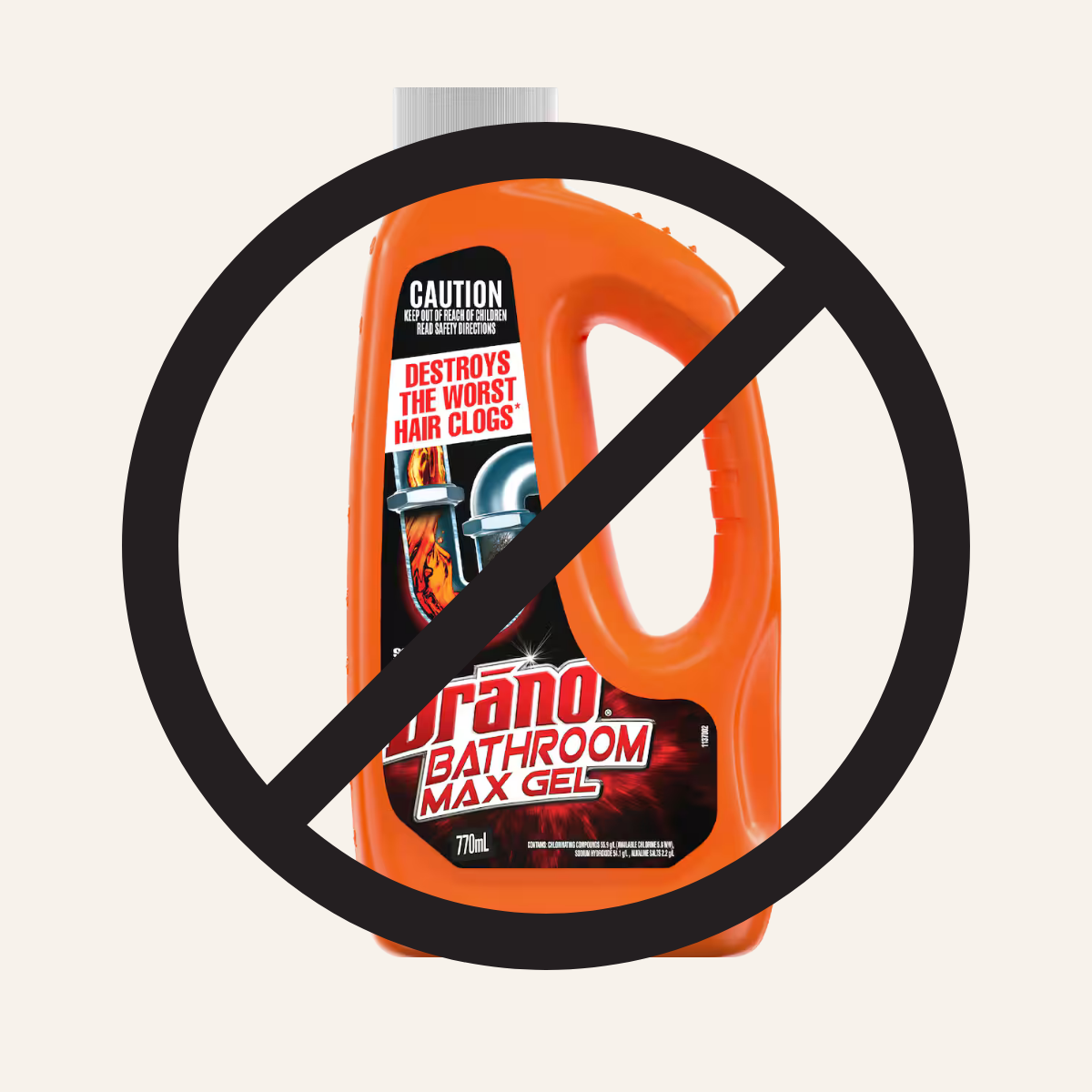
They don't fix the blockage properly. Chemical drain cleaners work by creating a heat reaction to dissolve organic matter. Sounds good in theory, but if you've got a solid blockage (a grease build-up, a hair mass, food scraps), they tend to eat around the edges and push the problem further down the pipe rather than clearing it.
They damage your pipes. The caustic chemicals in products like Drano are seriously harsh. Used repeatedly, they corrode older metal pipes and soften PVC, which turns a simple blockage into an expensive pipe repair job.
They're dangerous to handle. If the product splashes back, or sits in a blocked sink while you go to get a plunger, you're now dealing with something that can cause chemical burns to skin and eyes.
They make our job harder too. When a drain cleaner hasn't worked and you call us in, we have to work around whatever chemical is sitting in the pipe. Nobody wants to be working in a sink full of caustic fumes.
💡 HOT TIP: If your drain is slow, skip the supermarket shelf and give us a call. We'll clear it properly without putting your pipes at risk. A bottle of Drano might cost $10, but the damage it causes over time costs a whole lot more.
The Kitchen Sink: Your Drain's Toughest Test
The kitchen sink cops the most abuse of any drain in your house. Hot water, food scraps, grease, soap. It all goes in. And while your sink can handle a lot, there are some things that should never, ever go down there.
 1
1
Grease & Oil
Rinsing a greasy pan or tipping old oil down the sink feels harmless. It's liquid, right? But grease solidifies the moment it hits cooler pipes, layering up into a "fatberg" that nothing gets past.
💡 HOT TIP: Let fat cool, scrape it into a container and bin it. Hot water and dish soap won't stop it re-solidifying further down.
 2
2
Coffee Grounds
Coffee grounds feel fine going down, but they don't dissolve. They settle in bends and low points, mixing with grease and soap scum into a thick, muddy blockage. A silent offender in loads of kitchens.
INSTEAD: Compost them, use them on the garden, or bin them. Not sure what goes where? Check the NPDC recycling guide.
 3
3
Food Scraps
Even with a plug hole strainer, food gets through. Pasta, rice and bread swell with water and cause serious blockages further down the line. Starchy foods are the worst: they turn gluey and stick to everything.
💡 HOT TIP: A sink strainer is your best friend. It's cheap, catches almost everything, and takes ten seconds to empty.
 4
4
Eggshells
There's a myth that eggshells sharpen garbage disposal blades or break down in your pipes. They don't. The fragments create a gritty, sandy sludge that settles in your pipes and builds up fast.
INSTEAD: Pop them in the bin or the compost. Never down the sink, even if you have a disposal unit.
 5
5
Flour
Flour and water make paste, literally the same stuff as wallpaper glue. If you've ever rinsed a baking bowl straight into the sink, you may have sent a small cement bomb down your pipes.
INSTEAD: Scrape out the leftover flour and wipe the bowl with a paper towel before you rinse it.
 6
6
Fruit Stickers
A small one, but worth knowing. Those tiny plastic stickers on fruit and veg slip off while you wash produce and go straight down the drain. They don't break down, so they can snag on any build-up already in your pipes.
INSTEAD: Peel them off and bin them before you wash your fruit and veg.
The Bathroom Sink: Not as Innocent as It Looks
Your bathroom sink has a different set of problems to the kitchen, but they're just as bad for your drains.
7. Hair
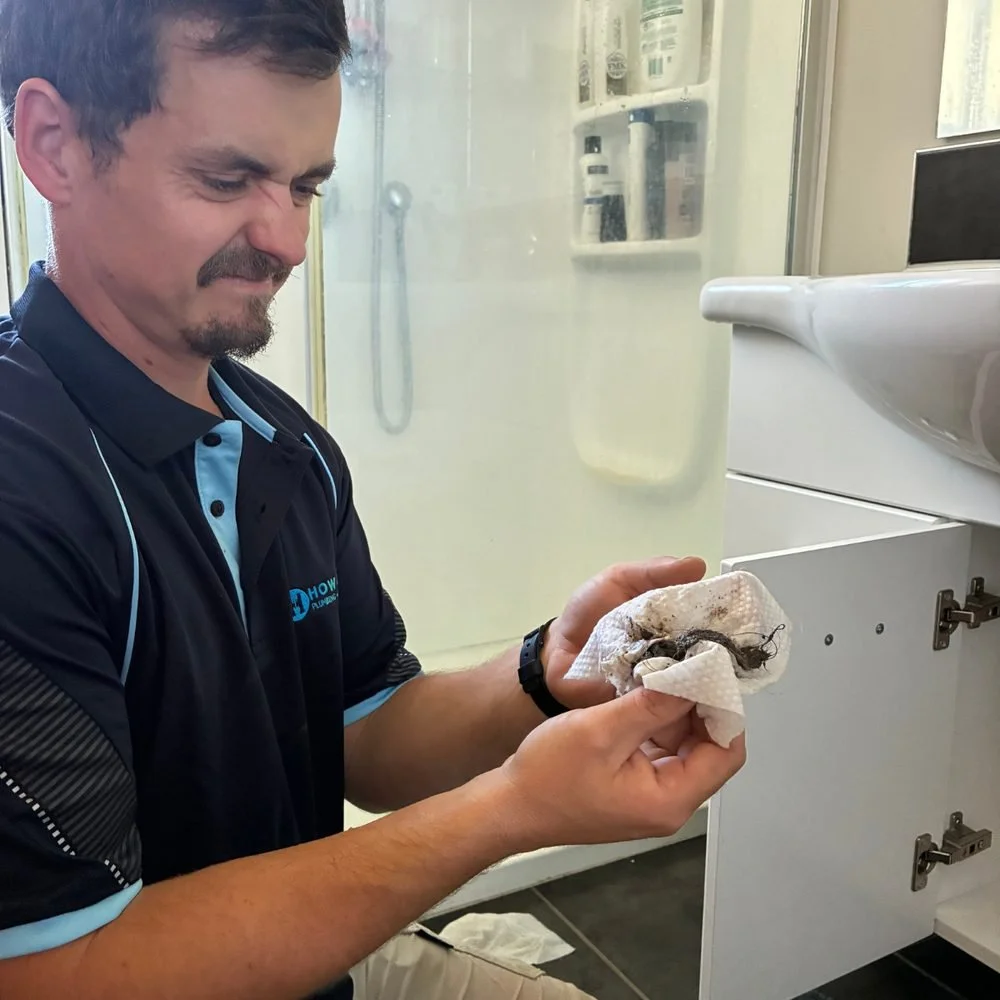
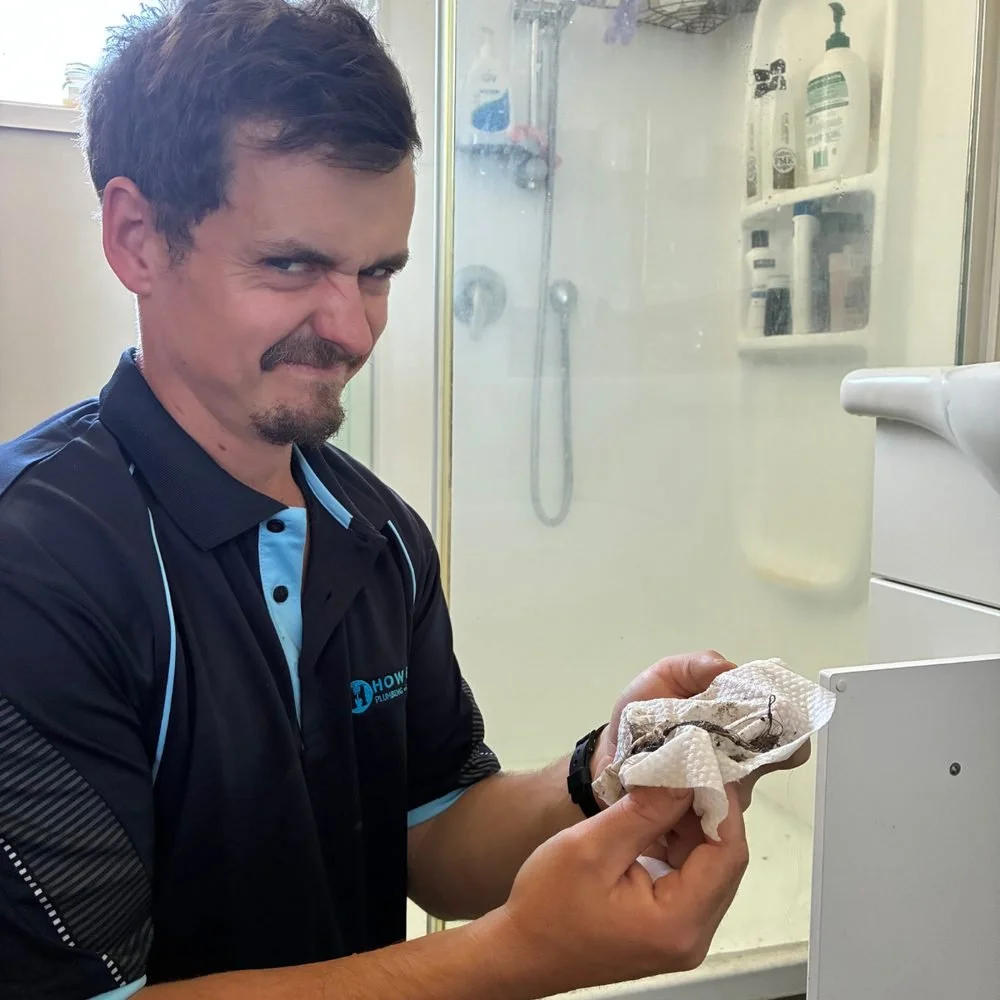
Hair is the number one cause of slow bathroom drains. It collects in the U-bend (the curved pipe directly under your sink or shower), mixes with soap scum, and creates a dense, wet tangle that restricts flow. If your bathroom sink is draining slowly or there's a musty smell that won't shift no matter how much you clean, hair build-up in the U-bend is almost always the first place to look. The longer it goes unchecked, the harder it gets to shift.
💡 HOT TIP: A drain hair catcher costs a couple of dollars from any hardware store and saves you from a much bigger problem. Clean it out weekly. Yes, it's gross, but it's a lot less gross than a fully blocked drain.
8. "Flushable" Wipes
We'll say it clearly: no wipe is truly flushable. Not baby wipes, not face wipes, not the ones that literally say "flushable" on the packet. Unlike toilet paper, these wipes don't break down in water. They travel down your pipes intact, catch on anything rough or sticky, and cause blockages, sometimes serious ones.
This applies to your toilet too, not just your bathroom sink. Bin the wipes, every time.
9. Medications
This one's less about blockages and more about what ends up in the water supply. Medications flushed or poured down the drain don't always get fully filtered at treatment plants. Take unused medications back to your pharmacy. They have safe disposal processes.
Swipe →
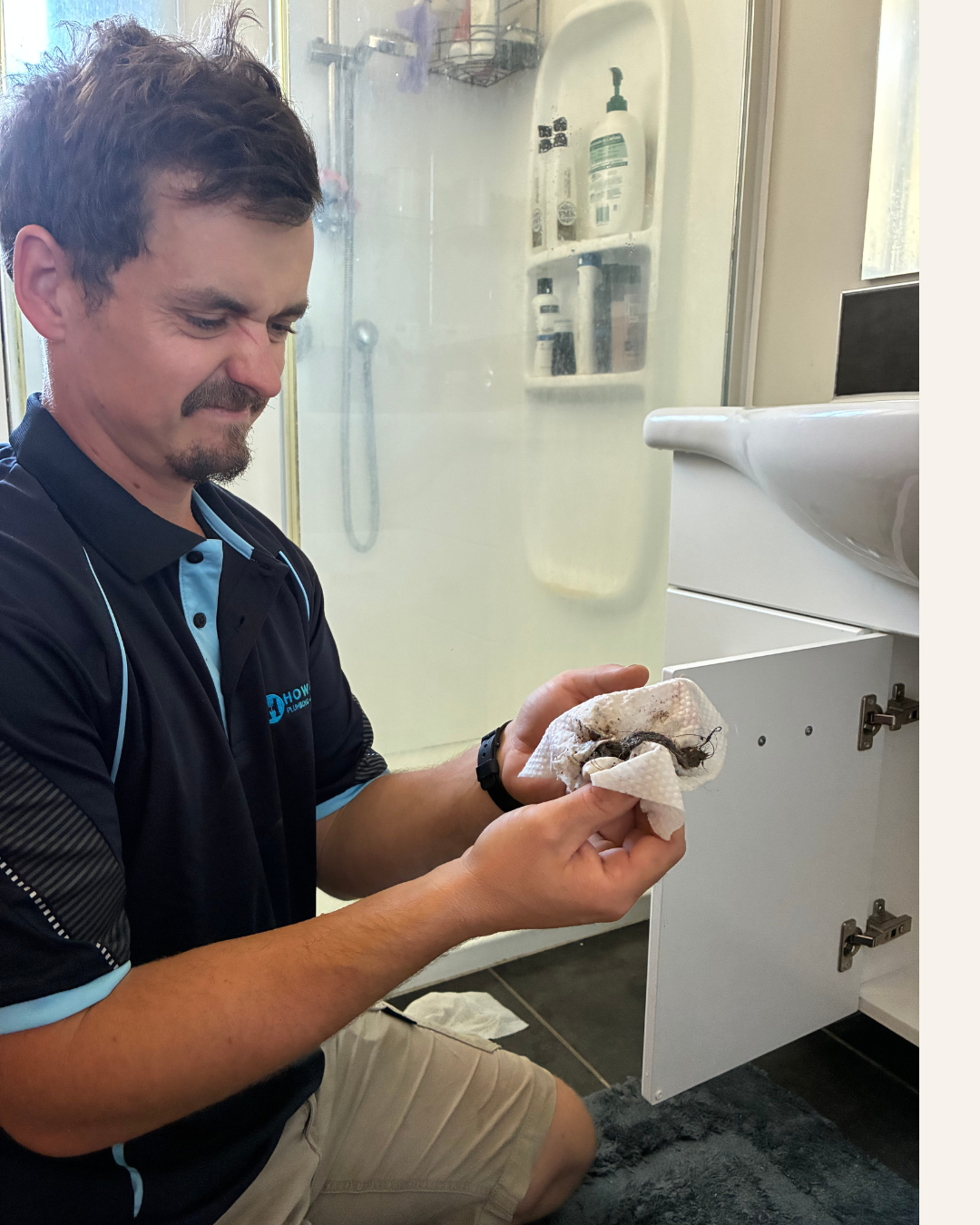
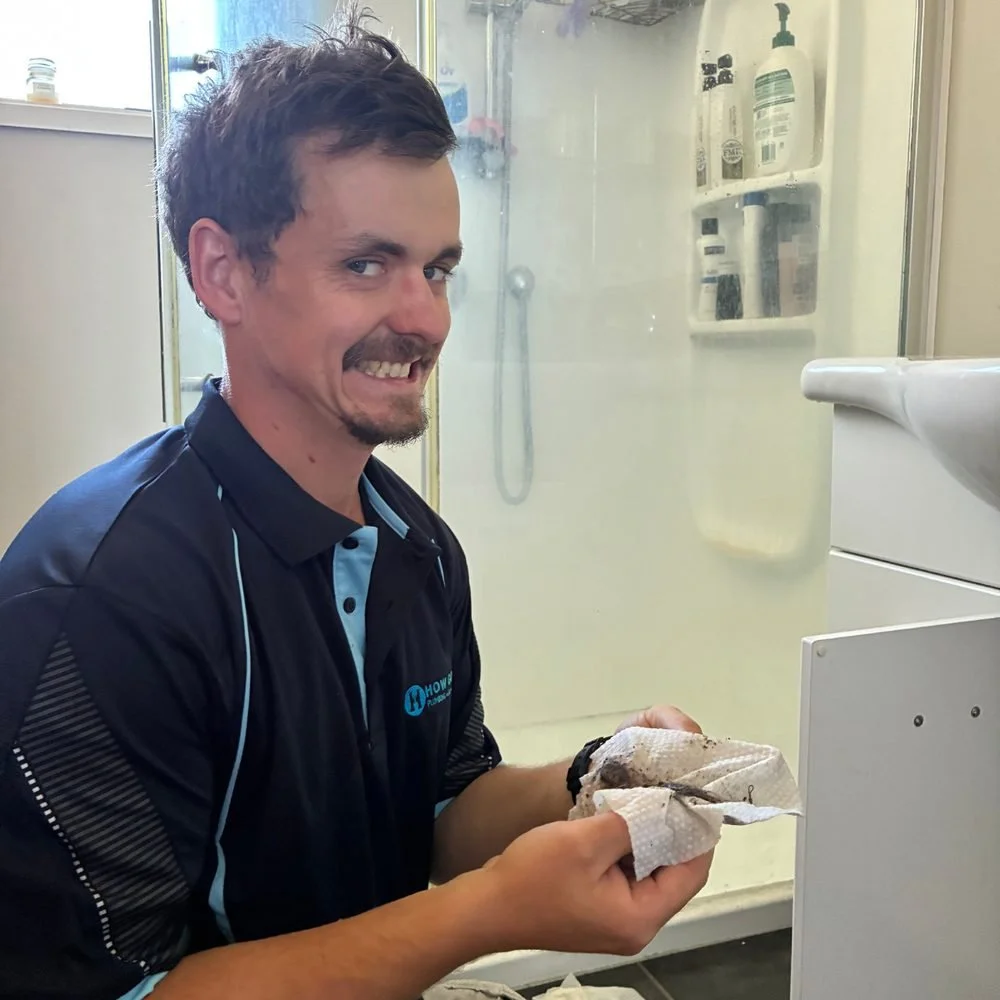
Actual images of Isaac dealing with Megs' bad sink habits and hair problem
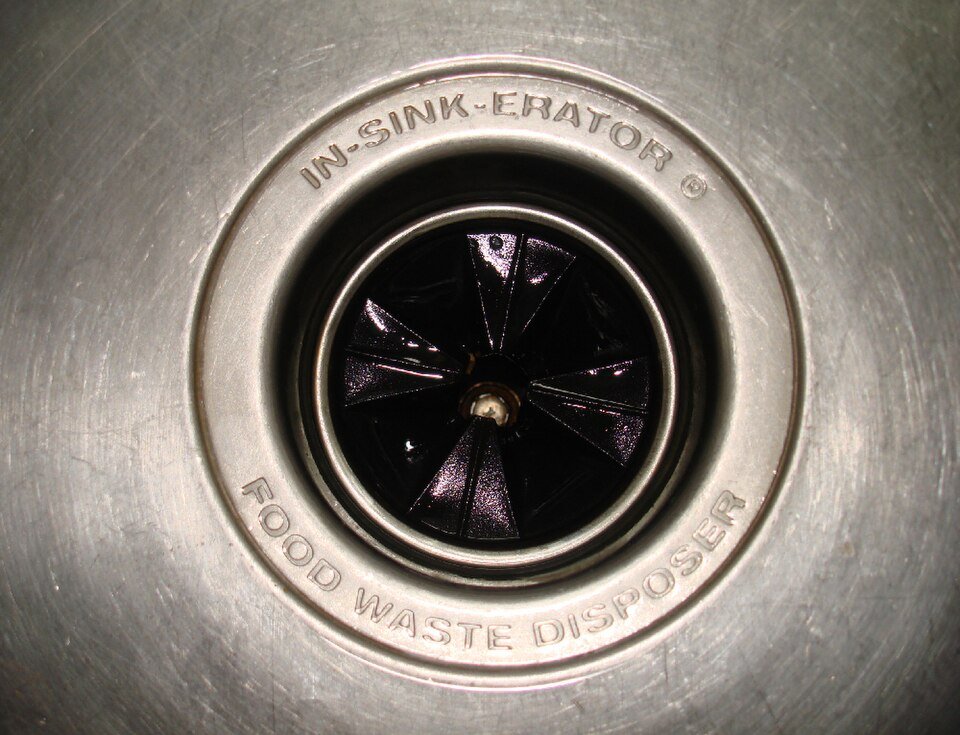
Photo: Stilfehler, CC BY-SA 3.0
What About Insinkerators?
If you've got an insinkerator (garbage disposal unit), you might think all of the above is fine to chuck in. It's not. It just means the food gets ground up before it hits the pipes. Grease, pasta, coffee grounds, and eggshells will still cause problems further along the line. Your insinkerator is great for small amounts of soft food scraps, not a substitute for the bin.

Plumbing + Gas + Drainage · Taranaki
Sink draining slow? Don't wait for it to get worse.
We're How Good Plumbing & Gas, your local licensed plumbers, gasfitters and drainlayers in New Plymouth, covering all of Taranaki. That gurgle, that backup, that smell? Chances are there's a blockage building up. Give us a call and we'll sort it out for ya.
How Good. The tradies you can trust.
Signs You've Already Got a Blockage
Sometimes the damage is done before you read the list. And the thing about drain blockages is they rarely announce themselves all at once. They creep up on you. Here's what to watch for:
Slow draining: this is your number one warning sign. Water pooling in the sink and taking longer than usual to clear is your drain telling you something isn't right. Don't ignore it.
Funky smells: a lingering smell from your kitchen or bathroom drain, even after cleaning, means something is decomposing in there. Grease, food scraps, and hair all break down over time and produce that distinctive (very unpleasant) drain smell. If it keeps coming back, it's not a surface problem.
Gurgling sounds: air being pushed back through the pipes means something's restricted further along the line.
Water backing up: worst case, water comes back up rather than draining away. At this point, you definitely need a plumber.
If any of these sound familiar, resist the urge to reach for the Drano. We covered exactly why at the top of this post, and it never ends well. What you need is a professional who can find the blockage and clear it properly, without leaving your pipes worse off than before.
💡 HOT TIP: A slow drain and a bad smell together are a pretty reliable sign you've got a blockage building. The earlier you act, the simpler (and cheaper) the fix.
What to Do If Your Drain Is Already Blocked
First up, don't panic. A blocked drain is rarely a disaster if you act quickly. The best thing you can do is stop using that sink or drain and give us a call before it gets worse. The sooner we get in there, the simpler (and cheaper) the fix.
When to call us:
Your sink or shower is draining slowly
There's a smell that won't shift no matter how much you clean
More than one drain is slow at the same time (this points to a blockage further along the main line)
Water is backing up into other fixtures
That's what we're here for.
We're How Good Plumbing & Gas, your local Taranaki plumbers based in New Plymouth. We'll come take a look and give you a free, no-obligation quote so you know exactly what you're dealing with.
Not sure what's going on under your sink?
Send us a photo and we'll point you in the right direction. No obligations, just good advice from people who've seen it all before.Trust us, Isaac really has seen it all.